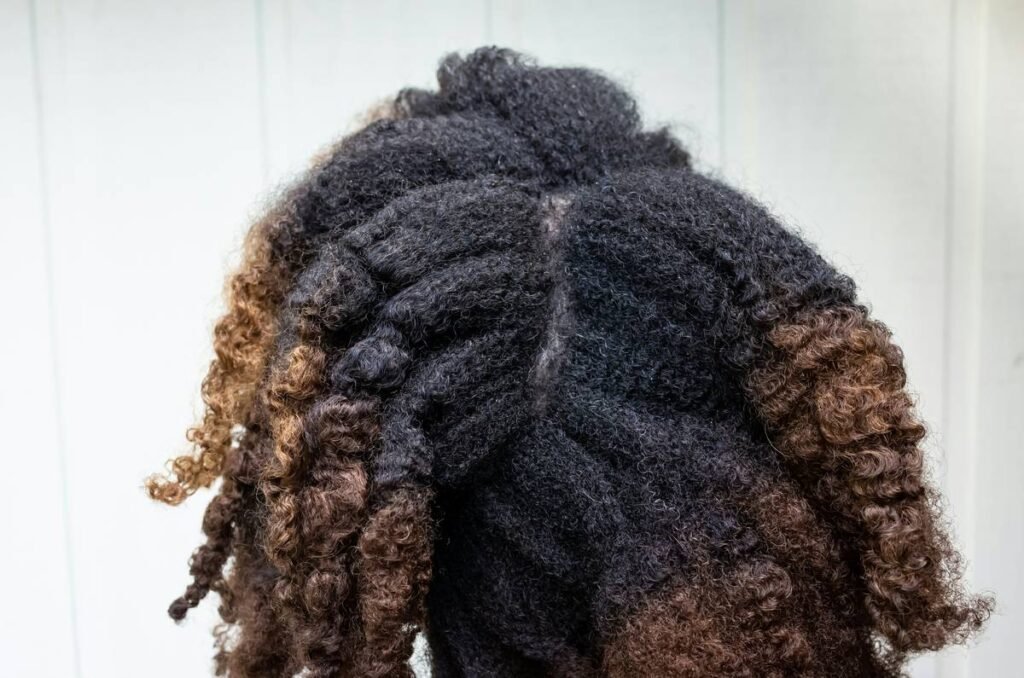
You’ve tried plastic combs that snap mid-part. Flimsy picks that bend under pressure. And don’t even get started on those “luxury” styling forks that cost $30 and disappear in your bag. The real issue? Most hair accessories treat texture like an afterthought. But if you’re working with dense coils, braids, or locs—your tool needs backbone. Enter metal hair picks. Not trendy. Not fragile. Just precision-engineered steel that respects your hair’s architecture.
Why Plastic Picks Fail Thick and Textured Hair
Plastic is cheap—for a reason. It lacks tensile strength. When you’re sectioning 4C hair or fluffing a tight braid-out, plastic tines flex, slip, or worse—splinter. That micro-tear might not show today. But over weeks? Increased breakage. Frayed ends. And inconsistent volume because your tool can’t maintain structural integrity through repeated use.
Metal doesn’t play games. Stainless steel or aluminum alloys hold their shape under torque. They glide without snagging. And they last years—not months.
How to Use Metal Hair Picks Like a Pro Stylist (Without Damaging Your Strands)
Select the Right Tine Spacing for Your Goal
Fine tines = smooth parting. Wide tines = dramatic volume. Don’t guess. Match spacing to your hair’s natural clumping behavior.
Glide—Don’t Rake—From Root to Tip
Angle the pick at 45 degrees. Start at the root, gently lift, then sweep outward. Never drag vertically down the shaft—that’s how you pull hairs loose from follicles.
Clean After Every Use (Yes, Really)
Oils, product buildup, and lint cling to metal faster than you think. Wipe with isopropyl alcohol. Prevents bacterial transfer and keeps tines snag-free.
| Pick Type | Best For | Durability | Average Cost |
|---|---|---|---|
| Metal hair picks (stainless steel) | Thick curls, locs, protective styles, precise parting | 10+ years | $8–$22 |
| Plastic wide-tooth picks | Loose waves, occasional fluffing | 3–6 months | $3–$12 |
| Wooden styling forks | Aesthetic Instagram shots, low-tension styles | 1–2 years (if sealed properly) | $15–$35 |
The Industry Secret: Salon Pros Keep Two Picks—One Sharp, One Blunt
Here’s what no brand tells you: the tip geometry matters more than the material alone. High-end salons stock two versions. A blunt-tipped metal pick for gentle volume on dry hair—no cuticle damage. And a fine-point pick (still metal) strictly for scalp parting during installs. Using the wrong tip type causes invisible stress fractures along the hairline. Switch between them based on task—not convenience.
And most drugstore “metal” picks? They’re often nickel-plated alloy with porous finishes that trap residue. Look for surgical-grade stainless steel (304 or 316). It’s non-reactive, hypoallergenic, and won’t corrode—even with daily coconut oil exposure.
Frequently Asked Questions
Are metal hair picks bad for natural hair?
No—if used correctly. Their smooth, rigid tines reduce friction compared to rough-edged plastic. Just avoid sawing motions.
Can I use a metal hair pick on wet hair?
Not recommended. Wet hair stretches 30% more—making it prone to over-manipulation. Use only on dry or damp (not soaking) styles.
Do metal hair picks cause static?
Less than plastic. Metal dissipates charge. For zero static, run the pick under water before use in dry climates.