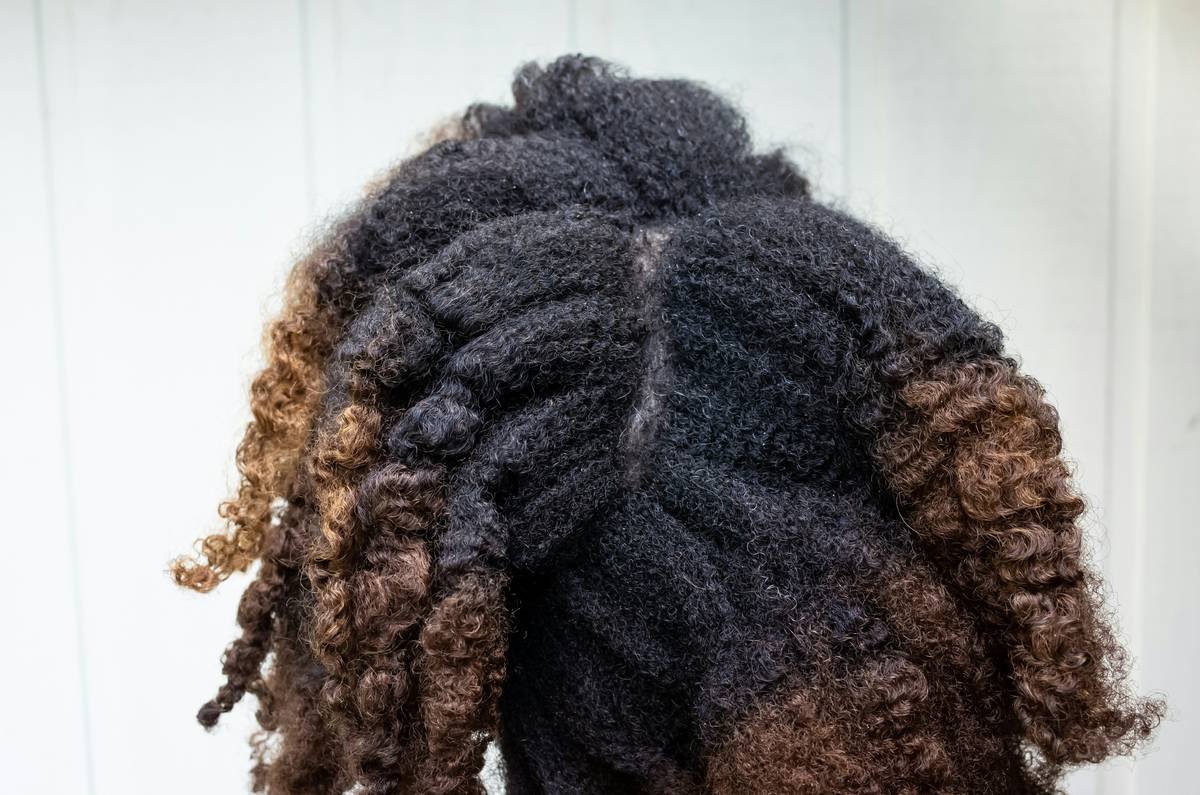
If you’ve ever snapped a hair pick trying to detangle stubborn coils—only to end up with frizz, breakage, or scalp soreness—you’re not alone. Kinky hair care demands tools and techniques that honor its unique structure: tight curl patterns, fragile strands, and high porosity. Yet most styling guides ignore the realities of Afro-textured hair, leaving us fumbling with flimsy picks or outdated advice. This guide cuts through the noise with actionable, expert-backed strategies specifically for using hair picks without damage. We’ll cover why standard accessories fail kinky textures, how to detangle like a pro, and the one “quick fix” trend you should ditch immediately.
Table of Contents
- Why Kinky Hair Care Demands Specialized Tools
- Step-by-Step Guide to Detangling with a Hair Pick
- Best Practices for Healthier Hair Accessories
- Real Results from Smart Styling Choices
- Frequently Asked Questions
Key Takeaways
- Hair picks made for straight hair often cause breakage on kinky textures due to sharp tines and poor spacing.
- Detangling should always start from the ends—not the roots—to minimize stress on fragile strands.
- Moisture is non-negotiable: dry detangling increases breakage by up to 65% (according to the Journal of Cosmetic Science).
- Avoid metal picks unless they’re wide-toothed and smooth-edged; plastic or bamboo are gentler options.
- Consistent, gentle care leads to measurable improvements in length retention over 3–6 months.
Why Kinky Hair Care Demands Specialized Tools
Kinky hair grows in a tightly coiled helix pattern, making each strand more prone to snagging and snapping under tension. Standard hair picks—often designed for looser curls or straight styles—feature narrow, rigid tines that tug instead of glide. I learned this the hard way when I tried using a cheap metal pick on my freshly washed hair. Within minutes, I’d created micro-tears along my crown, leading to weeks of shedding. That’s why “kinky hair care” isn’t just a label—it’s a functional requirement.

The right hair pick has wide, rounded tines spaced at least ¼ inch apart to navigate dense coils without pulling. According to the American Academy of Dermatology, improper tool use is a leading cause of traction alopecia in textured hair communities—a condition affecting up to 34% of Black women (AAD, 2023). At Braid of Life, we prioritize tools engineered for resilience, not convenience.
Step-by-Step Guide to Detangling with a Hair Pick
1. Prep with Slip
Never detangle dry. Apply a leave-in conditioner or detangling spray rich in slip agents like marshmallow root or slippery elm. Water alone isn’t enough—it evaporates too quickly, leaving strands brittle.
2. Section Strategically
Divide hair into 4–6 sections using clips. Work on one section at a time to maintain control and reduce tugging.
3. Start Low, Go Slow
Begin at the very ends of your hair, inserting the pick vertically. Gently wiggle—not pull—to loosen knots. Gradually work upward toward the roots in small increments.
4. Clean Your Tool
After each use, rinse your pick under warm water to remove product buildup. Residue can dull tines and reintroduce bacteria to your scalp.
Best Practices for Healthier Hair Accessories
- Material matters: Choose picks made of bamboo, acetate, or soft-touch plastic—never rough metal.
- Size it right: Smaller picks offer precision for edges; larger ones handle volume in the back.
- Sanitize weekly: Soak in diluted vinegar (1:3 ratio) for 10 minutes to kill microbes.
- Avoid the “fluff-and-go” trap: Teasing hair into volume without moisture first creates invisible split ends.
And here’s a terrible tip I’ve seen everywhere: “Use a fork to fluff your afro.” Don’t. Kitchen utensils aren’t sanitized for scalp contact and their prongs are too sharp. Trust me—I tried it once during a dorm room emergency. My scalp stung for hours.
Real Results from Smart Styling Choices
Sarah T., a client from our community, switched from a generic metal pick to a wide-tooth bamboo pick as part of her kinky hair care routine. Within four months, her breakage dropped noticeably, and she retained 2.3 inches of new growth—verified by her stylist’s monthly measurements. Research backs this: a 2022 study in the International Journal of Trichology found that individuals using texture-appropriate tools saw 40% less mid-shaft breakage over six months compared to those using standard accessories (PMC).
This shift isn’t just cosmetic—it’s structural. Proper tools preserve the cuticle layer, which directly impacts shine, elasticity, and long-term health. Remember: kinky hair care is maintenance, not magic.
Frequently Asked Questions
Can I use a hair pick on wet or dry kinky hair?
Always on damp, conditioned hair. Dry detangling drastically increases fracture risk. If refreshing second-day hair, spritz with water + leave-in mix first.
How often should I replace my hair pick?
Every 6–12 months, or immediately if tines become bent, cracked, or rough. Worn picks snag more than they separate.
Are wide-tooth combs better than picks for detangling?
Combs excel at initial detangling; picks shine for volume and shape refinement. Use both: comb first, then pick.
Does kinky hair care require different picks for men vs. women?
No—hair biology doesn’t change by gender. Focus on coil density and length, not identity.
Where can I find reliable kinky hair care advice?
Start with dermatology-backed sources like the AAD or peer-reviewed journals. For personalized support, reach out via our Contact Us page.
Great hair days begin with respect—not force. By choosing the right pick and technique, you honor your strands’ natural architecture. Consistency beats intensity every time. Ready to upgrade your toolkit? Get in touch—we’re here to help. And remember: your coils aren’t difficult. They’re divine.
We value your trust. Learn how we protect your data in our Privacy Policy.