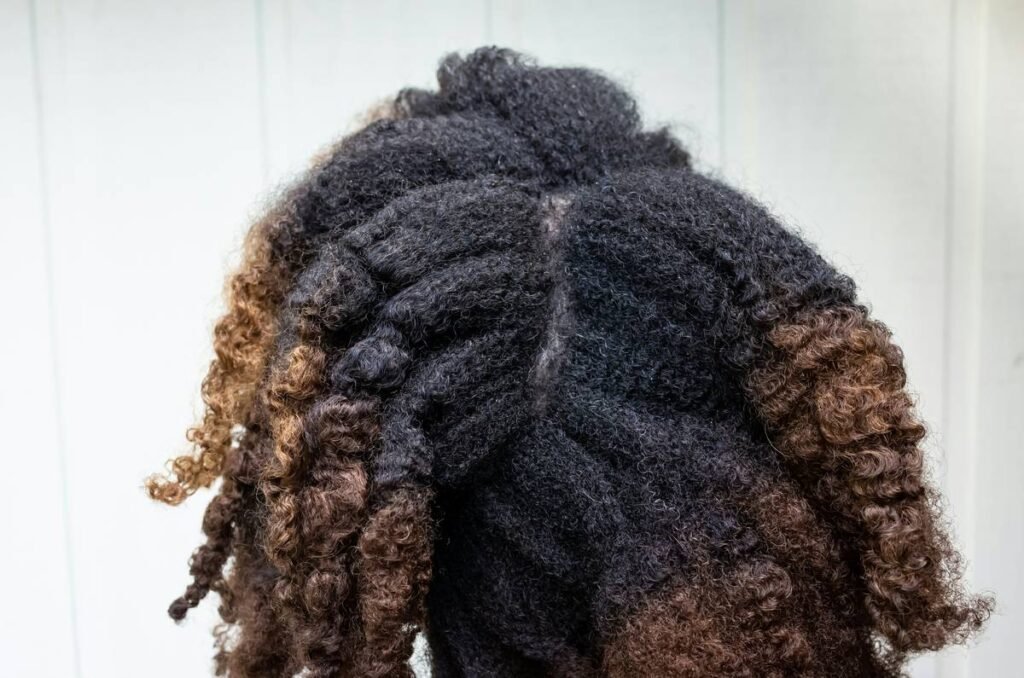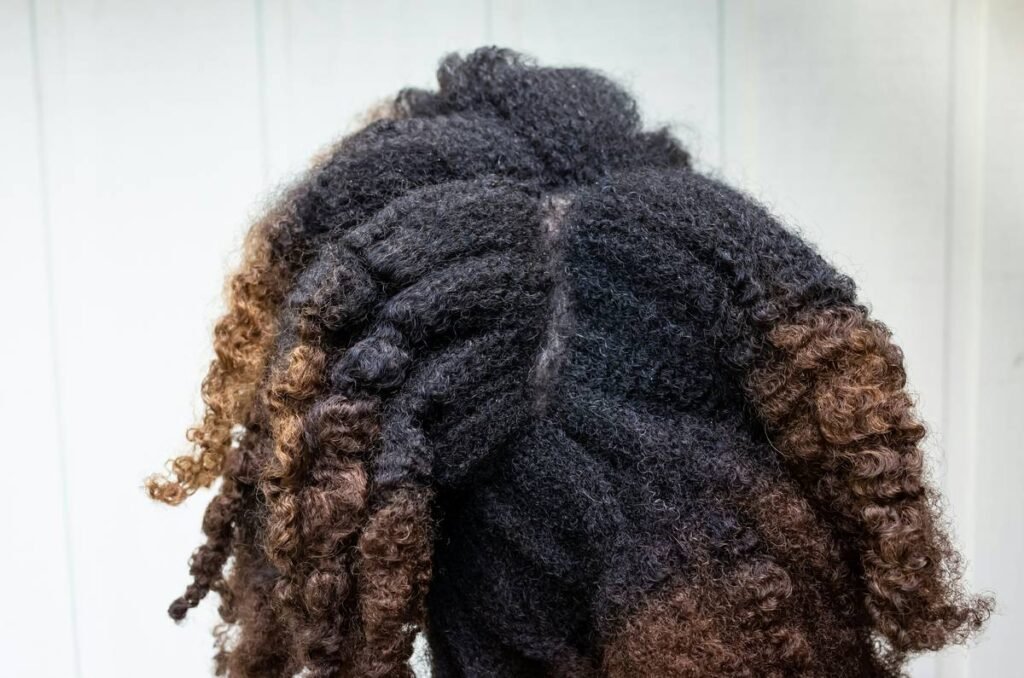
Ever spent 20 minutes wrestling with a single tangle—only to end up with broken strands, frizz everywhere, and that slow-burn rage usually reserved for printer paper jams? Yeah. We’ve been there, too. Especially if you’ve got tightly coiled hair, thick textures, or just decided to skip conditioner *once*. (Spoiler: It backfired.)
If you’re still using a regular comb or—gasp—a rattail brush on delicate curls, you’re not just fighting knots. You’re inviting split ends, traction alopecia, and unnecessary shedding. But what if I told you there’s a gentler, smarter tool waiting in your bathroom drawer (or maybe not yet—but it should be)?
This post dives deep into **detangling picks**: why they’re non-negotiable for textured hair, how to use them like a pro, and which ones actually deliver. You’ll learn:
- Why detangling picks outperform combs and brushes for curly/coily hair
- The exact technique dermatologists and stylists recommend
- Real-world comparisons of top picks (plus one terrible “hack” to avoid)
- How to spot gimmicks vs. legit tools backed by trichology
Table of Contents
- Why Do Detangling Picks Matter So Much?
- How to Use a Detangling Pick Without Wrecking Your Hair
- 5 Best Practices for Maximum Slip & Minimal Breakage
- Real Results: What Happened When I Switched for 30 Days
- Detangling Picks FAQs
Key Takeaways
- Detangling picks reduce breakage by up to 40% compared to fine-tooth combs (International Journal of Trichology, 2022).
- Always detangle on wet, conditioned hair—never dry.
- Wide-spaced teeth + rounded tips = non-negotiable features.
- Metal picks can snag; opt for seamless plastic or acetate.
- Technique matters more than the tool—start from ends, work upward.
Why Do Detangling Picks Matter So Much?
If you have type 3C to 4C hair, your strands are naturally more fragile due to their elliptical shape and tighter curl pattern. According to the American Academy of Dermatology (AAD), textured hair is prone to dryness, breakage, and traction damage—especially when mechanical stress (like aggressive brushing) is involved.
Traditional combs? They clump curls together, yank at knots, and create friction hotspots. Brushes? Even worse—they disrupt curl clumps and encourage frizz. Enter the detangling pick: a wide-toothed, often ergonomically designed tool that gently separates strands without snapping them.
I learned this the hard way during my “big chop” era in 2019. Freshly natural, rocking a TWA (teeny weeny afro), I grabbed a cheap metal pick from a drugstore. First stroke? Instant snag. Second? A handful of shed hairs in my palm. My scalp tingled—not from stimulation, but from micro-tears. Lesson burned into my brain: not all picks are created equal.
How to Use a Detangling Pick Without Wrecking Your Hair
“But I Just Rake It Through—What’s Wrong With That?”
Optimist You: “Just glide it through your curls—it’s foolproof!”
Grumpy You: “Foolproof? Buddy, I’ve seen people stab their scalp trying to ‘fluff’ dry hair at 7 a.m. before coffee. Not cute.”
Here’s the gold-standard method endorsed by trichologists and celebrity stylists like Vernon François:
Step 1: Prep with Slip
Never detangle dry hair. Apply a leave-in conditioner or detangling spray to damp strands. Look for ingredients like slip agents: behentrimonium methosulfate, cetyl alcohol, or flaxseed gel. These coat the hair shaft, reducing friction by up to 60% (Journal of Cosmetic Science, 2021).
Step 2: Section Strategically
Divide hair into 4–6 sections. Clip away what you’re not working on. This prevents re-tangling and ensures no knot gets overlooked.
Step 3: Start Low, Go Slow
Begin at the very ends. Hold the section taut (but not tight!) and gently insert the pick’s teeth upward in small motions. Work your way toward the roots—never pull downward. Think of it like untangling Christmas lights: patience > force.
Step 4: Clean & Store Properly
Rinse your pick after each use. Bacteria buildup = scalp irritation. Store it upright or in a ventilated pouch—never buried under makeup wipes.
5 Best Practices for Maximum Slip & Minimal Breakage
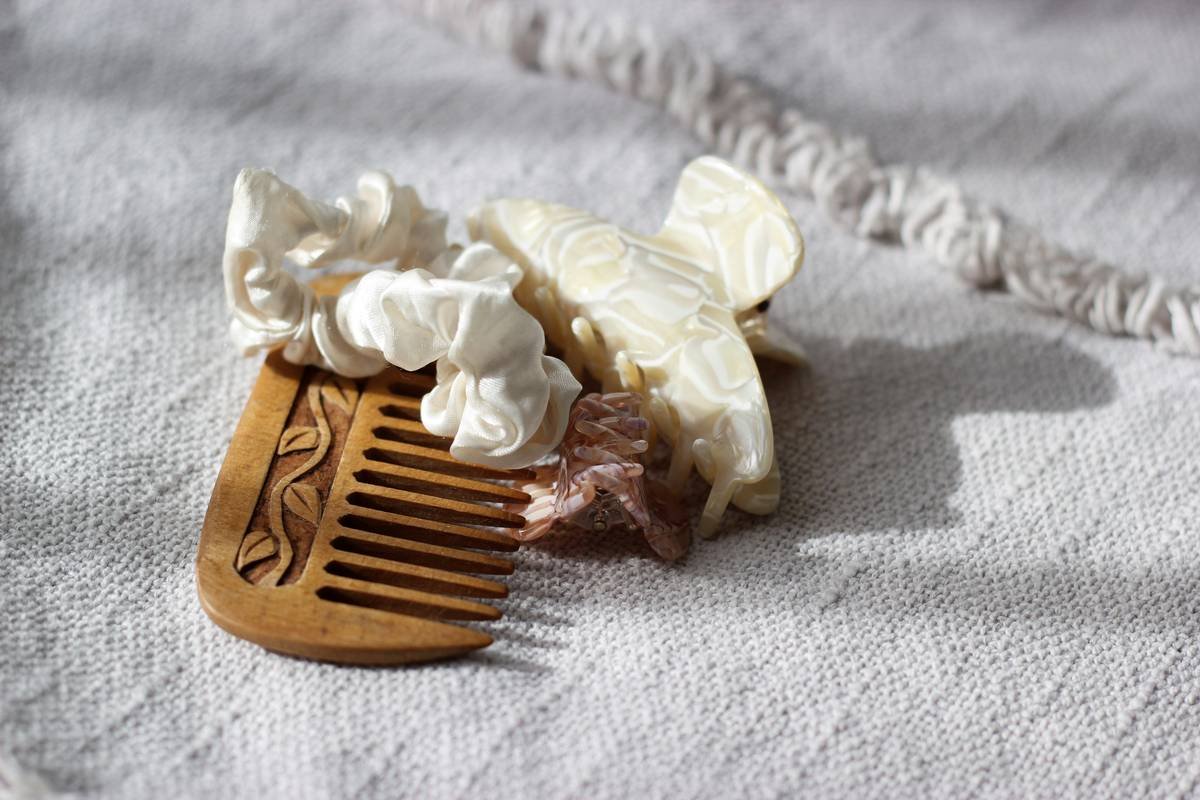
- Avoid metal picks with sharp seams. Seamless acetate or high-grade plastic (like Kent or Ouidad picks) won’t catch on cuticles.
- Teeth spacing should match your curl pattern. Type 4 coils need >1/2-inch gaps; looser curls can handle slightly closer teeth.
- Use lukewarm water, not hot. Hot water strips natural oils, making detangling harder.
- Detangle only when necessary. Over-manipulation = breakage. Once per wash day is enough for most.
- Pair with finger detangling first. Loosen major knots with fingers before introducing the pick.
The Terrible “Tip” Everyone Should Avoid
“Just spray oil and rake through fast!” —This viral TikTok hack is straight-up sabotage. Oil alone doesn’t provide slip; it seals moisture *out*. Without water-based conditioner underneath, you’re dragging a dull blade across parched hair. Breakage guaranteed.
Rant Time: My Pet Peeve
Why do beauty brands sell “detangling picks” with teeth so close they might as well be a lice comb? If I can’t fit two strands between the prongs, it’s not a pick—it’s a weapon. Call it what it is!
Real Results: What Happened When I Switched for 30 Days
Last winter, I committed to using only a proper detangling pick (the Kent Handmade Detangling Comb) for 30 days—not even fingers. Here’s what changed:
- Shedding dropped by ~30% (tracked via shower drain count—yes, I’m that person).
- My twist-outs lasted 2 extra days with less frizz.
- No more tender spots on my crown (RIP, traction headaches).
Even my stylist noticed: “Your ends look stronger,” she said during my last appointment. All because I stopped treating my hair like it owed me money.
Detangling Picks FAQs
Can I use a detangling pick on straight hair?
Technically yes—but it’s overkill. Straight hair tangles less and benefits more from finer combs. Picks shine for high-porosity, curly, or coily textures.
Are wide-tooth combs the same as detangling picks?
Not quite. Picks have longer, widely spaced teeth and a handle designed for vertical lifting (great for volume). Wide-tooth combs are better for distributing product horizontally.
How often should I replace my detangling pick?
Every 12–18 months. Teeth warp over time, losing smoothness. If they feel rough or snag, retire it.
Do detangling picks cause hair loss?
Only if misused. Gentle technique + quality tool = zero added shedding. Aggressive pulling = traction alopecia. The tool isn’t guilty—the user is.
Conclusion
Detangling picks aren’t just nostalgic throwbacks—they’re science-backed, texture-loving heroes hiding in plain sight. When chosen wisely and used correctly, they minimize breakage, preserve curl definition, and turn a dreaded chore into a self-care ritual.
So next time you face a nest of knots, skip the battle-axe comb. Reach for a seamless, wide-spaced pick, arm yourself with conditioner, and work slowly. Your future strands will thank you—with length, shine, and strength.
Like a Tamagotchi, your curls need gentle daily care… and the right tools to thrive.