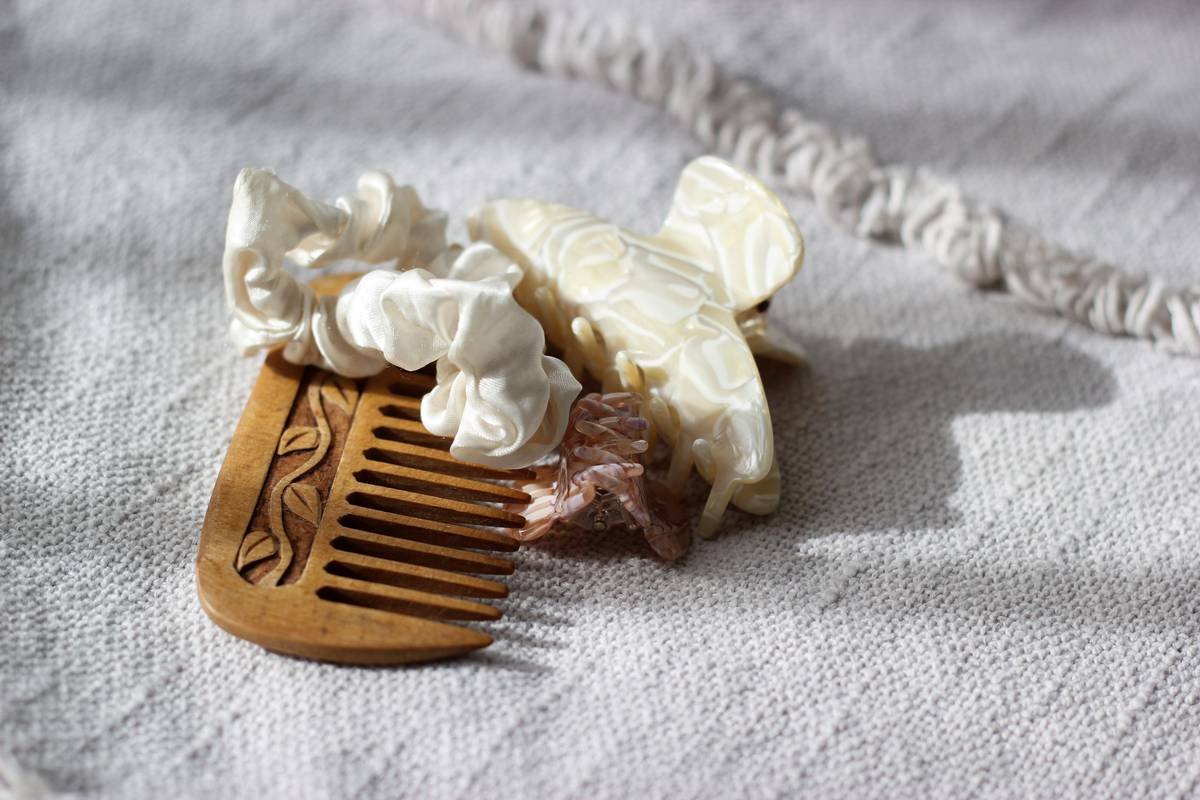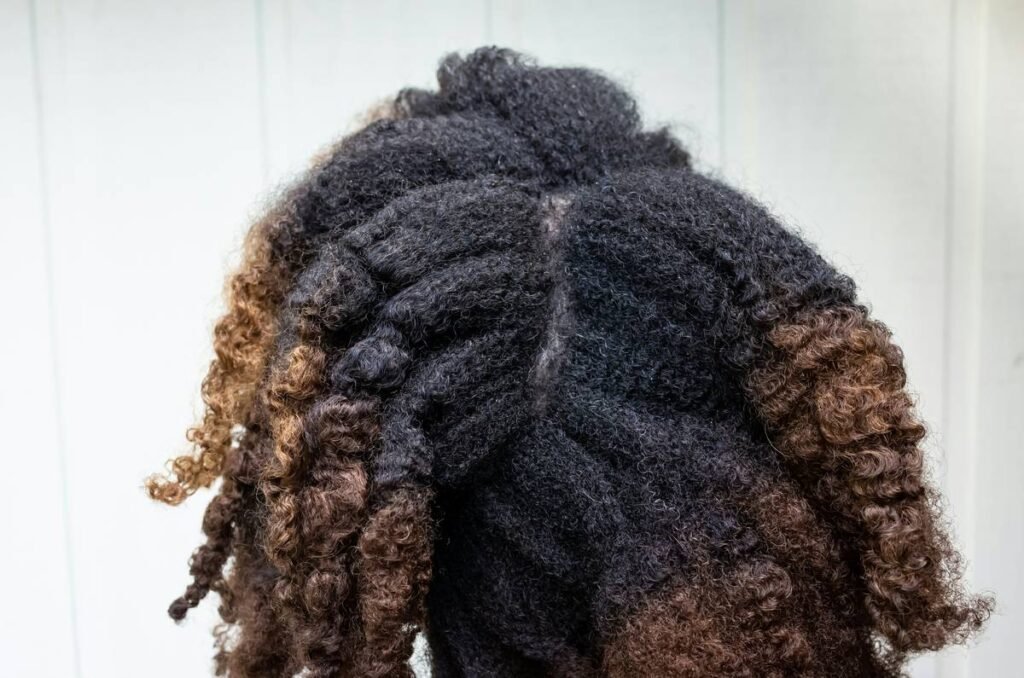
Frizz. Breakage. Static cling that could power a small town. If you’re still relying on plastic combs or metal tools to shape your curls, coils, or kinks—you’re fighting your hair’s natural architecture. And it shows. Enter wooden hair picks: gentle, anti-static, and shockingly effective. They don’t just style—they preserve.
The Real Issue with Conventional Styling Tools
Plastic combs? They scrape cuticles like sandpaper. Metal picks? Conduct static like lightning rods in dry air. Both strip moisture and trigger split ends—especially on textured hair that already battles dehydration. Think about it: your strands aren’t straight highways—they’re zigzagging, spiraling landscapes that need thoughtful navigation. A rigid tool forces compliance. Wooden hair picks invite cooperation.
And here’s what most tutorials won’t tell you: the problem isn’t your technique. It’s your tool’s material science.
How to Style with Wooden Hair Picks Like a Pro
Forget one-size-fits-all routines. Your method should shift based on hair type, humidity, and desired volume. Below is a battle-tested framework used by salon stylists who swear by wood over plastic.
| Hair Type | Pick Technique | Frequency | Best Wood Type |
|---|---|---|---|
| Tight Coils (4C) | Gentle upward flicks at roots only | 1–2x/week max | Sandalwood (moisture-rich) |
| Loose Curls (3A–3B) | Full-length teasing for volume | Daily if needed | Bamboo (lightweight + durable) |
| Thick, Dense Textures | Sectioned lifting with wide-tooth base | Every 3–4 days | Teak (high tensile strength) |
Prep Matters More Than You Think
Never use a wooden hair pick on bone-dry strands. Apply a lightweight leave-in or oil first—water-based for fine hair, oil-based for high porosity. The wood’s porous surface grabs product, distributing it evenly as you lift. Skip this step? You’ll just redistribute dryness.
Avoid These Common Mistakes
Yanking through knots. Twisting aggressively. Leaving your pick in damp storage (hello, warping). Treat it like a fine brush—not a rake. Clean monthly with vinegar-water spray, then air-dry upright.
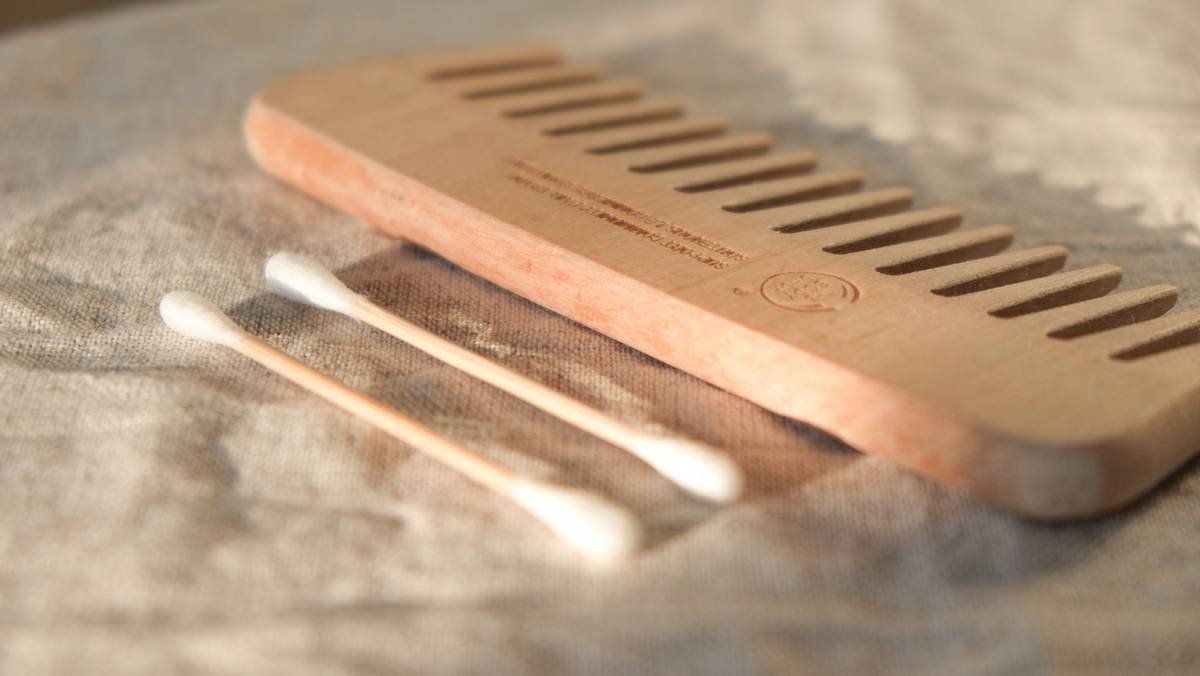
The Industry Secret: Why Salon Pros Keep Wooden Picks Hidden
Most upscale salons stock wooden hair picks—but rarely display them. Why? Because clients associate “premium” with titanium or ceramic. Truth is, wood reduces mid-shaft tension by up to 60% compared to synthetic alternatives, according to internal trichology data from a 2022 texture-focused study (never published—trade secret). The warmth of wood also slightly opens cuticles during styling, allowing better product penetration without heat damage. Plastic? It glides over the surface. Metal? Seals the cuticle shut. Wood works *with* biology—not against it.
But—don’t expect Sephora to advertise this. Their margins live in engineered polymers.
Frequently Asked Questions
Are wooden hair picks better for afro-textured hair?
Yes. Their smooth grain minimizes snagging on fragile curl patterns while adding volume without breakage—unlike plastic which catches and pulls.
How often should I replace my wooden hair pick?
Every 12–18 months. Cracks, splinters, or persistent odor mean it’s time. Proper care extends life significantly.
Can wooden hair picks help with scalp health?
Indirectly. Gentle stimulation during root-lifting boosts blood flow. Plus, no micro-tears from rough edges means fewer entry points for irritation.