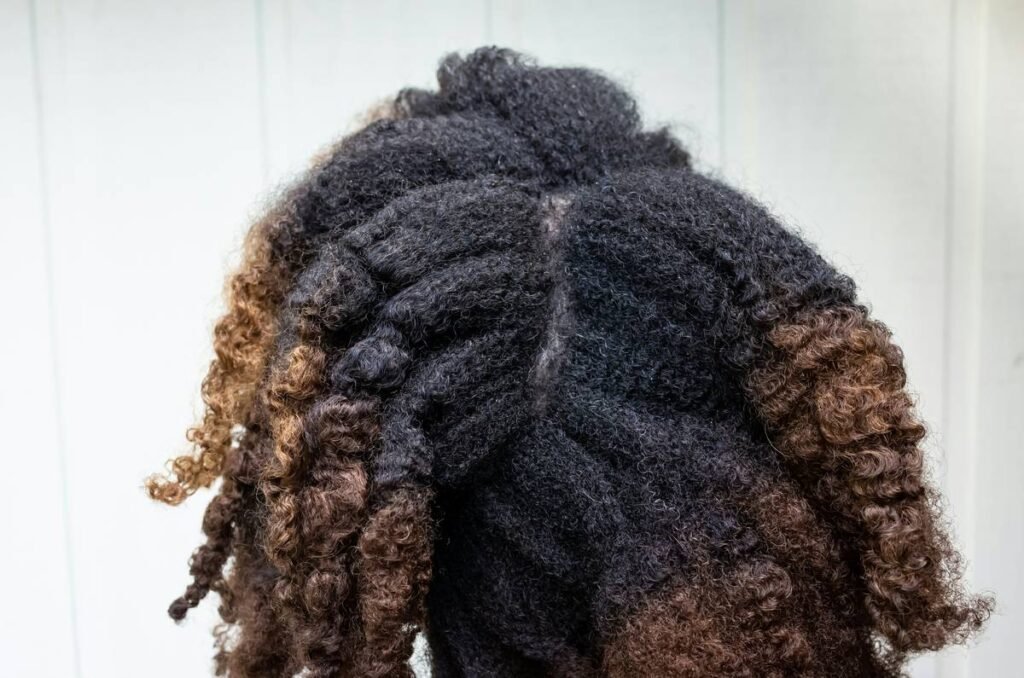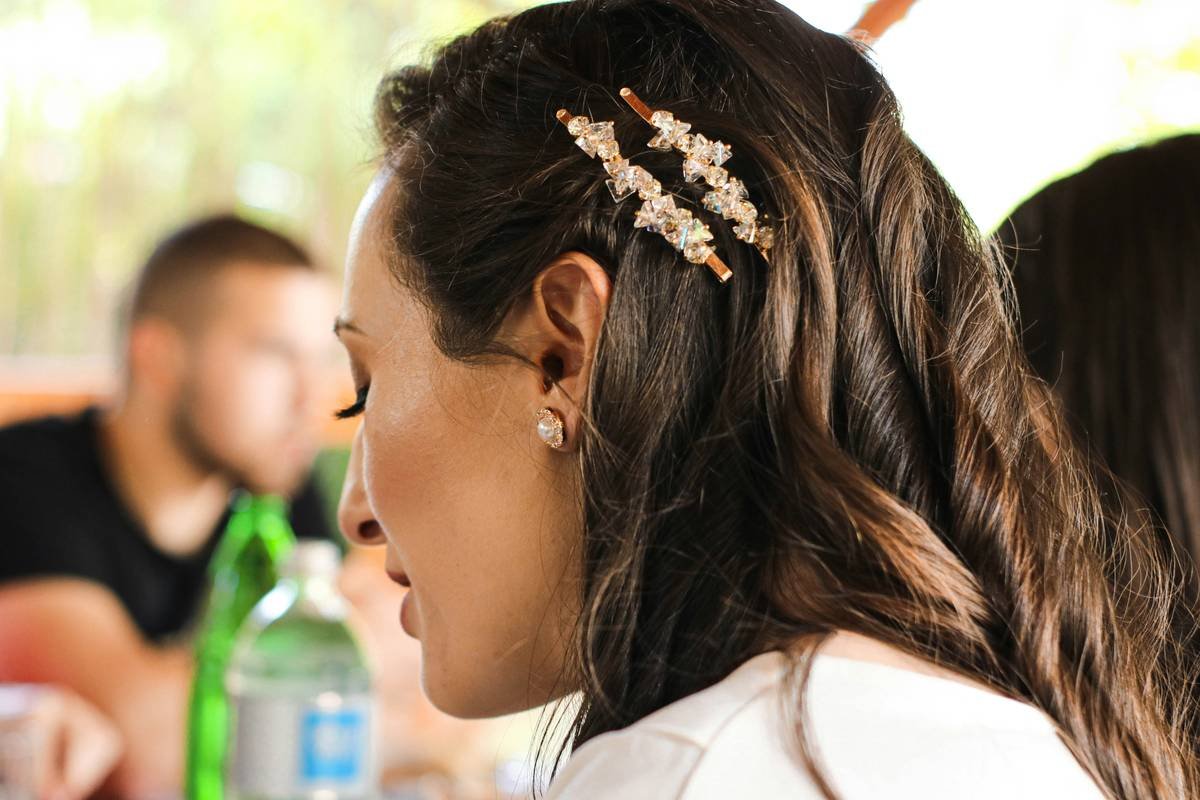
You spent hours crafting the perfect twist-out. Then—disaster. Your go-to comb snags, frizzes the ends, and kills volume. Most people grab whatever plastic tool is handy. But real definition? Lift without breakage? That demands something smarter. Enter decorative hair picks—not just pretty, but precision-engineered for textured hair that deserves better.
The Core Problem: Why Standard Combs Fail Natural Hair
Plastic rat-tail combs are blunt instruments. They compress curl patterns instead of expanding them. Metal picks with jagged teeth snag cuticles like sandpaper on silk. And don’t get me started on cheap “wide-tooth” options—they bend under pressure, leaving your roots flat and your patience thinner.
Here’s the reality: texture isn’t just about coils—it’s about density, porosity, and how your strands respond to tension. A one-size-fits-all approach destroys structure. And most tools ignore that.
How to Use Decorative Hair Picks Like a Pro
Forget raking through your hair like you’re tilling soil. This is about finesse. Elevation. Control.
Selecting the Right Pick for Your Pattern
Tighter coils (4A–4C)? Go for picks with widely spaced, rounded prongs—think bamboo or acetate. Looser textures (3A–3C) can handle slightly finer spacing but still need smooth edges. Avoid anything metallic unless it’s coated in ceramic. Friction is your enemy.
Prepping Hair for Maximum Lift
Damp—not wet—is non-negotiable. Apply a lightweight mousse or gel cast first. Let it dry 80%. Then insert the pick vertically at the root line. Gently wiggle upward—not side to side—to expand without shearing bonds. Think architecture, not excavation.
Maintenance & Longevity
Wipe your decorative hair picks weekly with a microfiber cloth dipped in diluted vinegar. Never toss them in with bobby pins—they scratch. Store solo in a velvet pouch. Treat them like fine brushes; they’ll last years, not months.
| Tool Type | Best For | Lift Quality | Risk of Breakage | Longevity |
|---|---|---|---|---|
| Plastic Rat-Tail Comb | Straightening sections | Poor | High | 2–3 months |
| Bamboo Decorative Hair Picks | Coily, dense textures | Excellent | Low | 2+ years |
| Ceramic-Coated Metal Picks | Loose curls needing shine | Good | Medium | 1 year |
| Acetate Ornamental Picks | All textures + style statements | Excellent | Very Low | 3+ years |

The Industry Secret: Picks as Diagnostic Tools
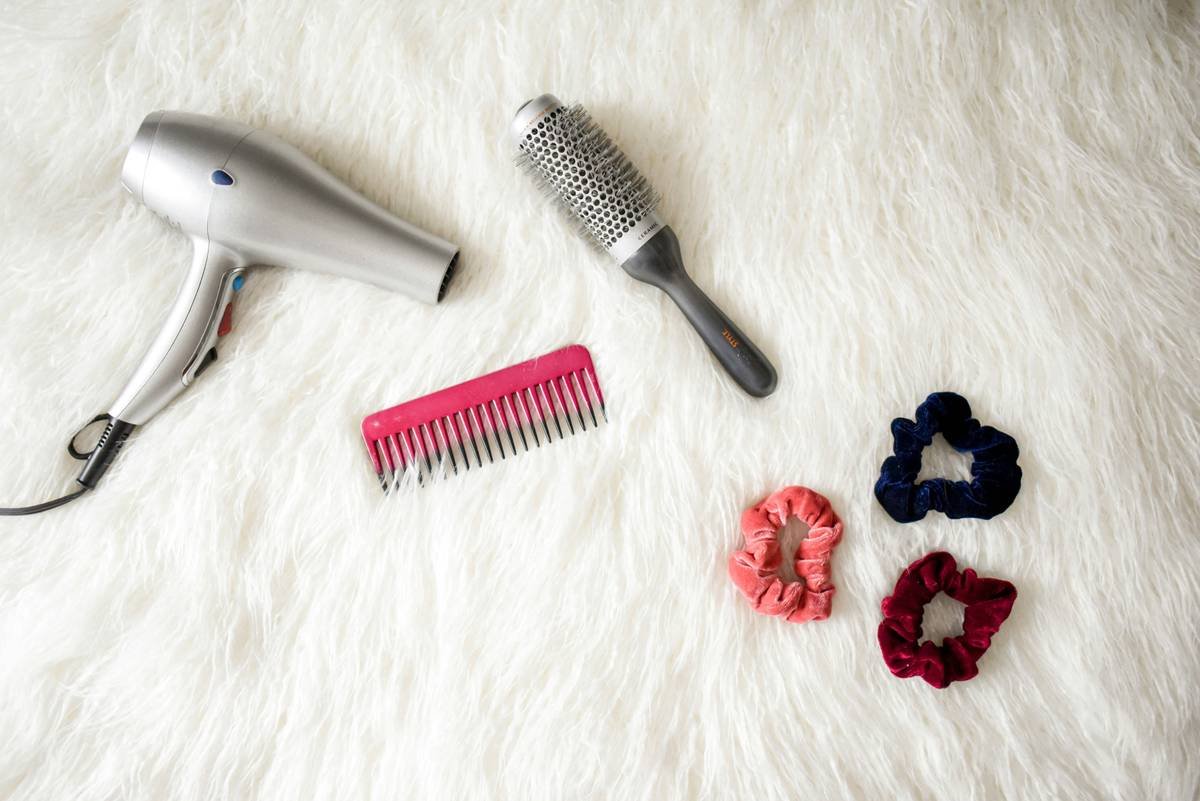
Top stylists don’t just use decorative hair picks to fluff—they use them to read the hair. Drag resistance tells you about moisture levels. If the prongs glide too easily? Under-moisturized. Catch mid-shaft? Protein overload. The best picks have subtle flex; they’re tactile sensors disguised as accessories. One salon in Atlanta even maps client progress by tracking how smoothly their custom pick glides over time. Data you can feel.
Frequently Asked Questions
Can decorative hair picks cause split ends?
Only if they’re poorly made with sharp edges. Quality picks feature polished, rounded prongs that separate—not sever—strands.
Are decorative hair picks only for afros?
No. They work brilliantly on twists, braids, wash-and-gos, and even fine curly hair needing root volume without weighing it down.
How often should I clean my decorative hair pick?
Once a week if used daily. Residue buildup dulls performance and transfers product gunk back into clean hair.