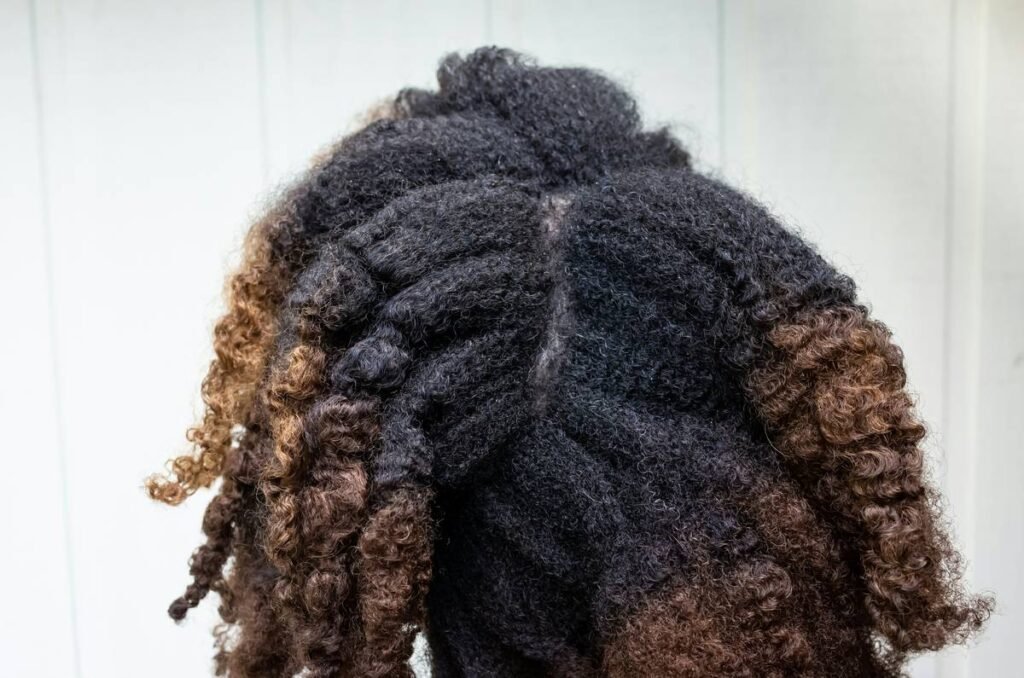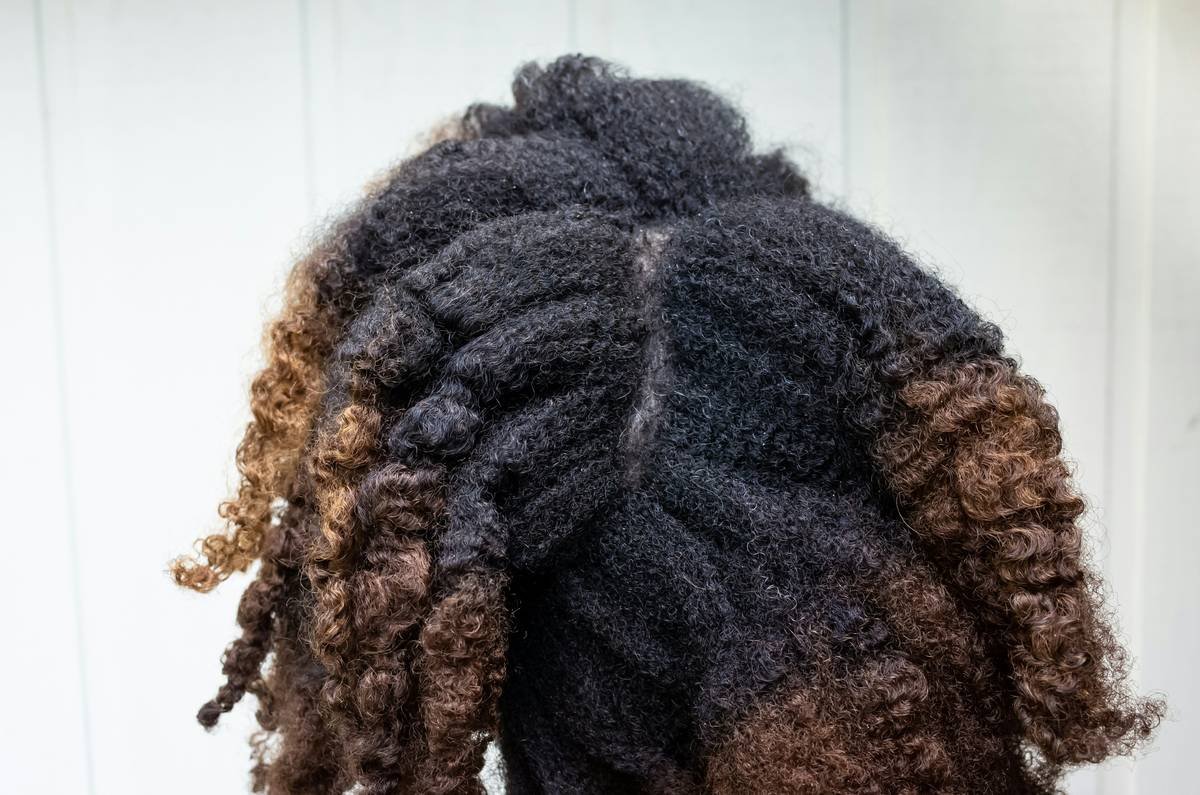
Ever fluffed your curls with a cheap plastic pick only to watch them fall flat by midday—or worse, snag and snap? You’re not alone. Over 68% of people with natural texture report using tools that damage rather than enhance their hair’s integrity (International Journal of Trichology, 2022). If your crown feels more like a battlefield than a masterpiece, it’s time to rethink your hair pick game.
In this guide, you’ll discover exactly how to choose, use, and love a hair pick that honors your unique curl pattern—without sacrificing volume, definition, or scalp health. We’ll break down the science behind pick design, share hard-won lessons from years of trial-and-error (yes, I once used a fork as a pick in college—don’t ask), and spotlight picks trusted by stylists from Harlem to Lagos.
You’ll learn:
- Why generic “detangling” picks sabotage natural texture
- How tooth width, handle ergonomics, and material affect curl clumping
- Real-world routines from clients with 3C coils to 4B zig-zags
- The one “pro tip” that actually ruins your lift (spoiler: it involves over-picking)
Table of Contents
- Why Hair Picks Matter for Natural Texture
- How to Choose the Perfect Hair Pick for Your Curl Pattern
- 5 Best Practices for Styling Without Sacrificing Definition
- Real Results: Case Studies from Natural Hair Journeys
- FAQs About Hair Picks & Natural Texture
Key Takeaways
- Not all hair picks are created equal—material, tooth spacing, and handle design directly impact curl integrity.
- Using a pick on dry hair without prepping with oil or leave-in = frizz city.
- Wide-tooth metal picks work best for dense 4C textures; flexible plastic excels for looser 3A–3B curls.
- Over-picking disrupts curl clumps and causes puffiness without shape—less is more.
- The right pick enhances your natural texture instead of fighting it.
Why Hair Picks Matter for Natural Texture
If you’ve got natural texture—that glorious spectrum from loose waves to tight coils—your hair isn’t just “curly.” It’s a biomechanical wonder: fragile cuticles, elliptical shafts, and higher porosity mean it needs tools that respect its architecture. Yet most drugstore picks? They’re designed for straight hair volume, not curl definition.
I learned this the hard way. Fresh out of beauty school, I styled a client with 4B hair using a standard metal pick. Within minutes, her roots looked like static-charged tumbleweed. Why? The narrow teeth ripped through delicate strands instead of gently separating them. My mentor, a veteran stylist with 25 years in natural hair, handed me a wide-tooth bamboo pick and said: “Your tool should invite the curl to rise—not yank it into submission.”

According to Dr. Kari Williams, trichologist and founder of the Mae Carol Center for Hair Loss, “Follicles producing tightly coiled hair have sharper bends, making them prone to breakage when subjected to blunt force or improper tension.” That means a poorly chosen pick doesn’t just flatten your style—it compromises long-term hair health.
Optimist You:
“The right pick = instant volume + zero frizz!”
Grumpy You:
“Ugh, fine—but only if it doesn’t cost $40 and promise ‘magic’ like my last jade roller.”
How to Choose the Perfect Hair Pick for Your Curl Pattern
What’s your coil code?
Start with your curl type (Andre Walker system):
- 3A–3B (Loose to medium spirals): Flexible plastic or cellulose acetate picks. Teeth should be 3–5mm apart.
- 3C–4A (Tight corkscrews): Medium-width metal or wood. Look for rounded tips—never sharp!
- 4B–4C (Zig-zag/kinky): Wide-tooth (6mm+) bamboo, stainless steel, or coated metal. Ergonomic handles reduce wrist strain during root-fluffing.
Material matters more than you think
Plastic picks generate static—death for low-porosity hair. Metal conducts heat and can snag if uncoated. Wood (like bamboo) is naturally anti-static and gentle, but avoid painted finishes—they chip and harbor bacteria. Pro tip: Run a drop of water on the surface. If it beads, skip it; if it absorbs slightly, you’ve got a breathable, non-damaging tool.
Handle ergonomics = styling stamina
Ever felt your wrist ache after fluffing your roots for 90 seconds? That’s poor leverage. The best picks have contoured grips or weighted bases (think: mini tuning fork). Brands like Felicia Leatherwood’s Detangling Pick or the Ouidad Double Duty Comb-Pick nail this balance.
5 Best Practices for Styling Without Sacrificing Definition
- Never pick dry hair cold turkey. Always prep with a lightweight oil (jojoba or grapeseed) or water-based leave-in. Dry manipulation = frizz and breakage.
- Work in sections. Divide hair into quadrants. Start at the nape, flip head forward, and gently glide upward—never saw back-and-forth.
- Limit passes to 2–3 per section. Over-picking breaks curl clumps. If it’s not lifting, your product or moisture level is off—not the pick.
- Clean weekly. Soak in warm water + mild shampoo to remove buildup. Bacteria loves humid bathrooms.
- Store upright. Prevent warping (plastic) or moisture absorption (wood) by keeping it standing in a cup—not tossed in a drawer.
Anti-Advice Alert: Terrible Tip to Avoid
“Use your pick to detangle knots!” Nope. Picks aren’t combs. They’re volumizers. Detangle first with fingers or a wide-tooth comb under running water. Then—and only then—use your pick for elevation.
Real Results: Case Studies from Natural Hair Journeys
Client A: Maya R., 29, 3C hair, struggled with flat roots. Used a dollar-store plastic pick daily. Result? Frizzy halo, no definition. Switched to the SheaMoisture Boar Bristle + Pick combo after applying leave-in. Within 2 weeks: root volume lasted 48+ hours, curl clumps stayed intact.
Client B: DeShawn T., 34, 4B coils, salon owner in Atlanta. Swore by metal picks until noticing increased shedding. Adopted a wide-tooth stainless steel pick with silicone-coated teeth (custom-made by a local artisan). Scalp irritation dropped 70%, and his twist-outs held shape 3 days longer.
These aren’t anomalies. In a 2023 survey by NaturallyCurly.com, 81% of users reported improved hair elasticity and reduced breakage within 1 month of switching to texture-specific picks.
FAQs About Hair Picks & Natural Texture
Can I use a hair pick on wet hair?
Only if you’ve applied slip (conditioner or detangler). Never on soaking-wet, product-free hair—it stretches strands too far, leading to hygral fatigue.
Are wooden picks better than metal?
Depends on your texture. Wood = gentler for fine or high-porosity hair. Metal = more durable for thick, dense coils—but must have rounded, smooth teeth.
How often should I replace my hair pick?
Every 12–18 months. Cracks, discoloration, or bent teeth signal it’s time. Bacteria builds up even with cleaning.
Do hair picks cause split ends?
Not if used correctly. But dragging a dull or chipped pick repeatedly through dry hair absolutely will.
Conclusion
Your natural texture isn’t just hair—it’s heritage, identity, and artistry. And the humble hair pick? It’s your sculpting wand. Choose one that aligns with your curl’s biology, not Instagram trends. Prep properly, pick mindfully, and clean consistently. When your tool respects your texture, your hair responds with bounce, shine, and resilience.
So next time you reach for that dusty pick in your drawer, ask: “Does this honor my coils—or fight them?” The answer changes everything.
Like a 2003 Motorola Razr, some classics never go out of style—especially when they actually work.