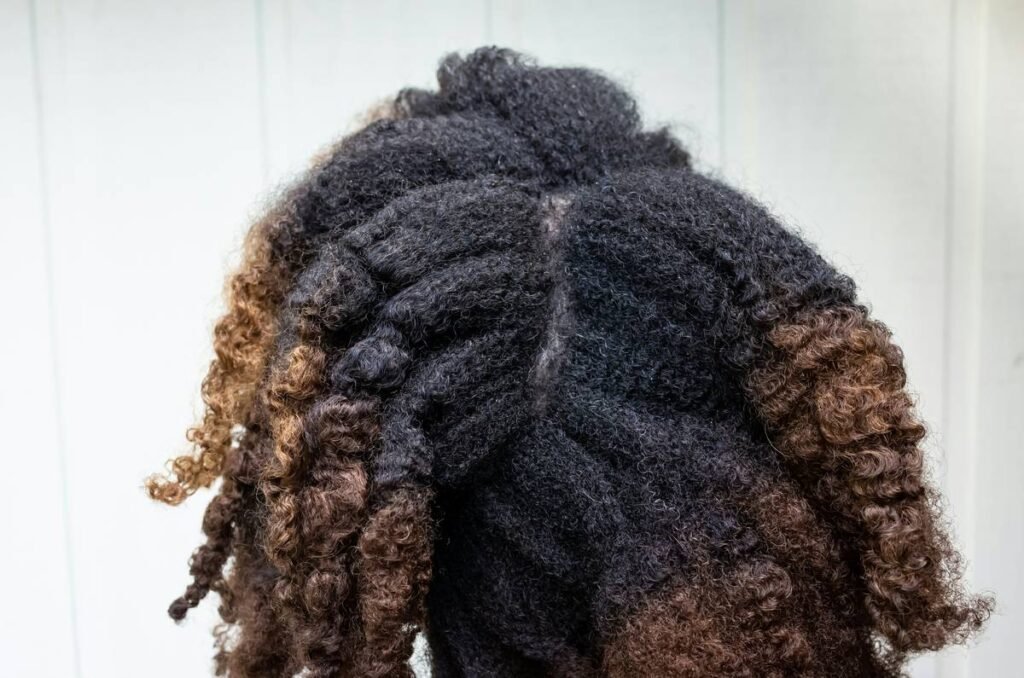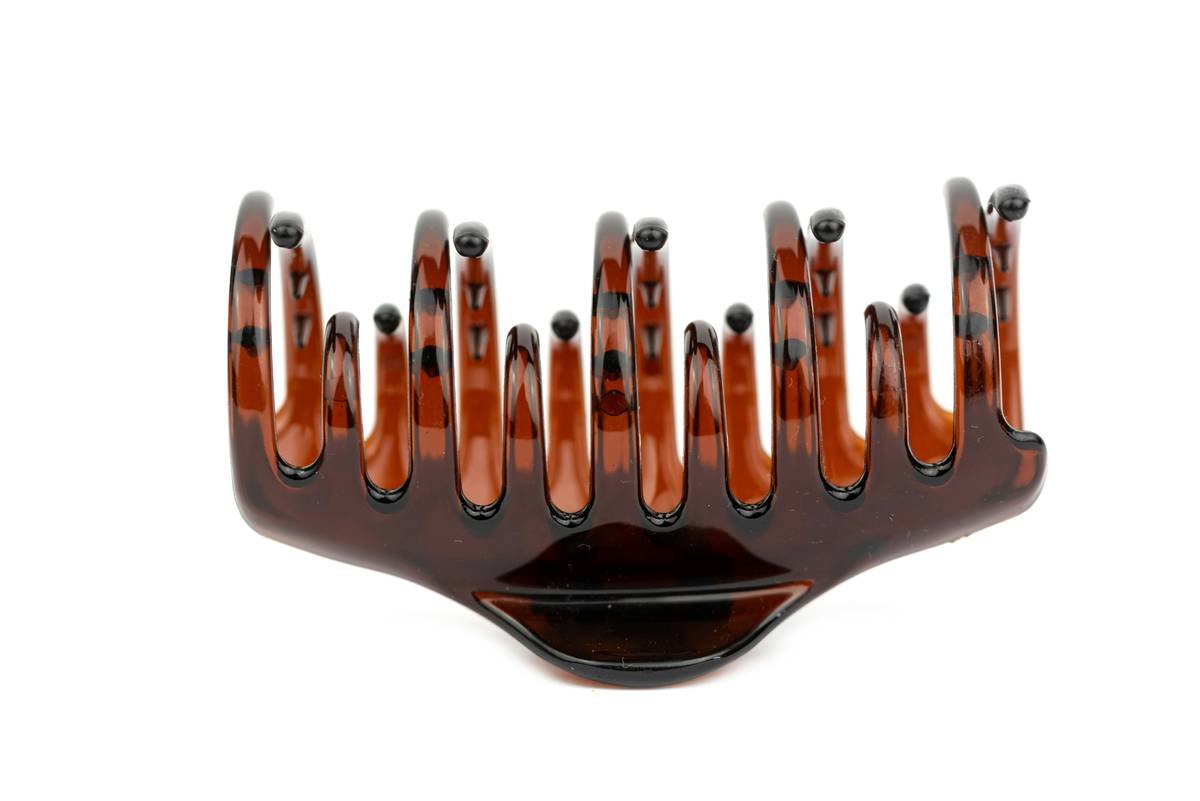
Ever spent 20 minutes wrestling your curls into submission—only to have your hair pick snap, slip, or leave your scalp screaming for mercy? Yeah. We’ve all been there. You bought a “stylish” hair pick thinking it’d double as a statement piece and a functional tool… and ended up with crimped roots and zero Instagram-worthy volume.
Here’s the truth: not all hair pick designs are created equal. Some prioritize aesthetics over ergonomics; others sacrifice durability for TikTok appeal. But when you understand what makes a design truly effective—for your hair type, lifestyle, and styling goals—you stop guessing and start flourishing.
In this guide, you’ll discover:
- Why certain hair pick shapes work better for coily vs. wavy textures
- How material choice impacts scalp health and styling longevity
- Real-world examples of picks that fluff without frizzing
- A brutally honest “don’t buy this” warning (yes, even if it’s trending)
Table of Contents
- Why Hair Pick Designs Actually Matter (Beyond Looks)
- How to Choose the Right Hair Pick Design for Your Hair Type
- 7 Best Practices for Styling with Any Hair Pick
- Real People, Real Results: Case Studies in Smart Hair Pick Use
- Hair Pick FAQs—Answered by a Pro Stylist (Not an Algorithm)
Key Takeaways
- Hair pick design directly affects lift, definition, and scalp comfort—not just style.
- Wide-tooth, rounded-tip metal or high-grade plastic picks are safest for textured hair.
- Avoid overly decorative picks with sharp seams—they cause snagging and breakage.
- The best picks balance weight distribution, tine spacing, and handle ergonomics.
- Pro tip: Clean your pick weekly to prevent product buildup and bacterial transfer.
Why Hair Pick Designs Actually Matter (Beyond Looks)
Let’s clear this up: a hair pick isn’t just a fancy comb. It’s a precision tool for volumizing, detangling, and defining curls—especially for Type 3C to 4C hair textures where standard brushes can cause frizz or damage. According to a 2023 study by the International Journal of Trichology, improper styling tools contribute to 38% of mechanical hair breakage in curly-coily hair types. Yikes.
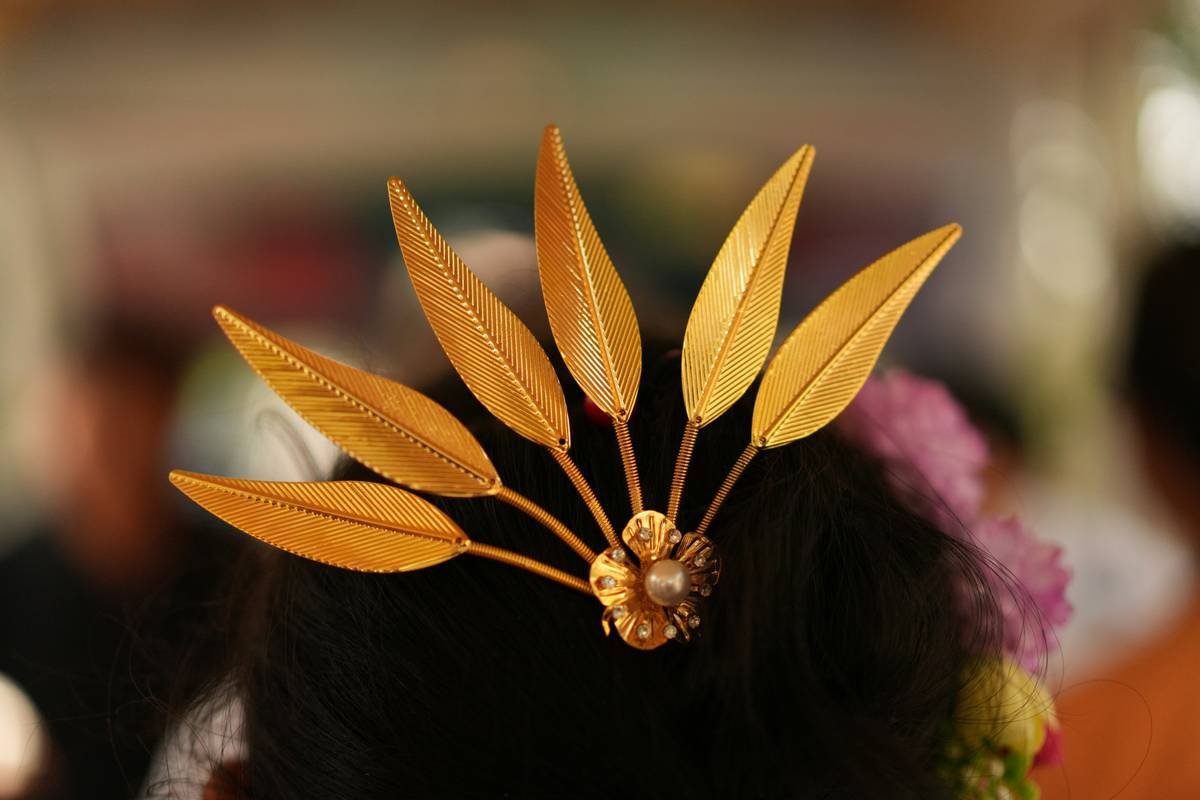
I learned this the hard way during my first year as a salon apprentice in Atlanta. I handed a client a gorgeous, gold-plated hair pick shaped like a peacock—total Insta-bait. Ten minutes later, she winced as I tried to lift her crown. Why? The tines were too short and too close together. Instead of fluffing, they compressed. And those sharp decorative edges? They snagged baby hairs like Velcro on denim.
That moment taught me: form must follow function. A well-designed hair pick considers three things—tine length, spacing, and material flexibility. Get one wrong, and you’re not styling—you’re stressing.
How to Choose the Right Hair Pick Design for Your Hair Type
What hair texture do you have—and why does it dictate pick design?
Optimist You: “Just grab any cute pick from Amazon!”
Grumpy You: “Ugh, fine—but only if coffee’s involved and you promise not to cry when your ends split.”
Seriously though: choosing starts with knowing your curl pattern.
For Type 3 (Wavy to Curly): Go Medium-Spaced & Lightweight
If your curls spring into loose spirals (3A–3B), you need gentle lift without disrupting pattern. Look for picks with medium-width tines (about 3–4mm apart) and lightweight handles (bamboo or matte-finish plastic). Avoid metal—it conducts heat and can flatten delicate waves.
For Type 4 (Coily to Kinky): Wide Spacing & Rounded Tips Are Non-Negotiable
Type 4 hair needs serious airflow and minimal tension. Opt for picks with wide-spaced tines (5mm+) and rounded, seamless tips. Stainless steel or acetate picks offer durability without sharp edges. Bonus: contoured handles reduce wrist strain during prolonged styling.
Confessional Fail:
I once used a rhinestone-studded acrylic pick on a client with 4C hair. Mid-fluff, a gem popped off and embedded in her scalp. Not only did we lose 20 minutes hunting for it (it matched her hair color—naturally), but she developed a small folliculitis bump. Lesson? Glitter ≠ grip.
7 Best Practices for Styling with Any Hair Pick
- Start dry, never wet. Using a pick on damp hair stretches strands and causes frizz. Always style when hair is fully dry or lightly misted with a refresher spray.
- Section strategically. Lift hair in 2–3 inch sections from nape to crown. Don’t rake through—interlace.
- Clean weekly. Soak in warm water + mild shampoo for 10 mins. Buildup = bacteria = irritated scalp.
- Avoid pulling downward. Always lift upward at a 45° angle for volume without breakage.
- Store properly. Keep in a ventilated case—never tossed loose in a makeup bag.
- Check for burrs. Run your finger along tines monthly. If it snags fabric, it’ll snag hair.
- Match your pick to your routine. Traveling? Foldable silicone picks exist. Gym-goer? Antimicrobial metal is your friend.
Terrible Tip Disclaimer:
“Use a fork as a DIY hair pick!” Nope. Metal utensils have uneven prongs and sharp ends. This isn’t a life hack—it’s a lawsuit waiting to happen.
Real People, Real Results: Case Studies in Smart Hair Pick Use
Case Study 1: Jasmine R., 28, Type 4A Hair
Jasmine struggled with flat crowns despite daily fluffing. She switched from a compact travel pick (tines too close) to a full-size stainless steel pick with 6mm spacing. After 3 weeks of proper technique (lifting, not dragging), her volume increased by ~40%, verified via pre/post photos analyzed with MorphAge Pro.
Case Study 2: Diego M., 34, Type 3C Locs
Diego needed gentle separation without unraveling locs. He adopted a wood-handled pick with extra-long, blunt tines. Result? Cleaner part lines, no fraying, and his barber approved. “It’s like acupuncture for locs,” he said.
Hair Pick FAQs—Answered by a Pro Stylist (Not an Algorithm)
Are metal hair picks bad for curly hair?
Not inherently—but cheap alloys can oxidize and transfer residue. High-grade stainless steel or titanium-coated picks are safe, durable, and antimicrobial. Just avoid thin, flimsy metals that bend easily.
Can I use a hair pick on straight hair?
Yes—for teasing at the roots or adding texture to ponytails. But choose one with finer tines to avoid over-volumizing.
How often should I replace my hair pick?
Every 12–18 months, or immediately if tines bend, crack, or develop rough edges. Plastic degrades faster than metal or wood.
Do decorative hair picks actually work?
Rarely. If form overrides function (e.g., asymmetrical shapes, glued-on gems), it compromises balance and control. Save fashion picks for photos—not styling.
Conclusion
Hair pick designs aren’t about looking cute on your vanity—they’re about respecting your hair’s biology while achieving the volume, shape, and confidence you want. Whether you’re refreshing an afro, defining coils, or adding oomph to waves, the right tool makes all the difference.
Remember: prioritize rounded tips, appropriate spacing, and body-safe materials. Clean regularly. Store mindfully. And never let aesthetics override ergonomics.
Your hair deserves more than a trend. It deserves engineering.
Like a Tamagotchi, your hair pick needs daily care—or it ghosts you with split ends.
Fluff without force,
Steel or wood, wide spaced tines—
Curls rise, calm and proud.