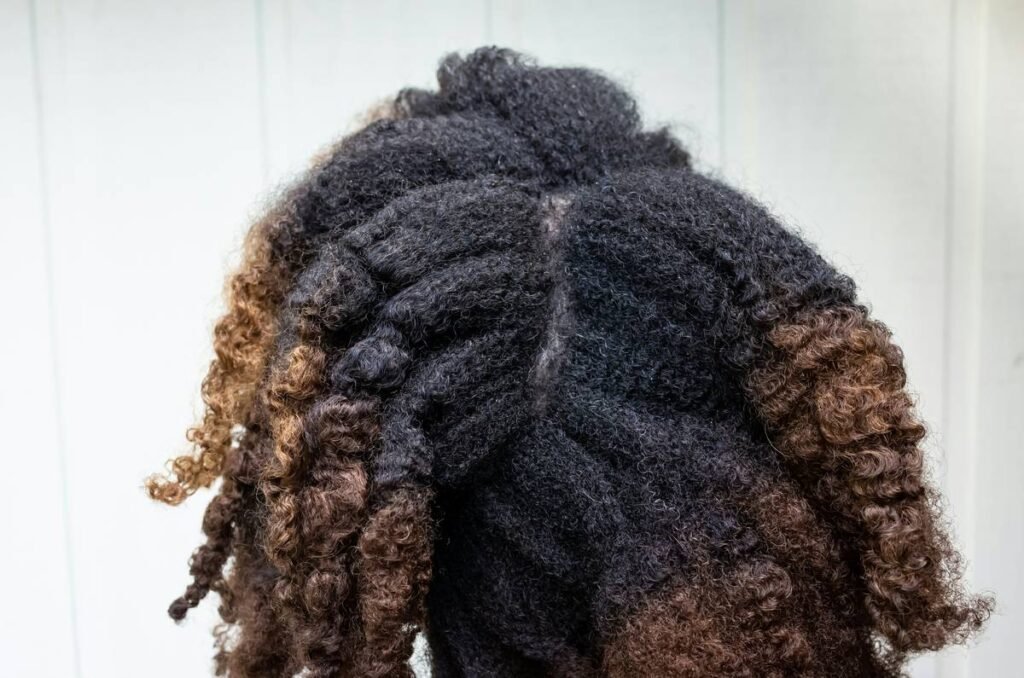
Ever walked out of the house with frizz that could double as a mood ring—only to realize you skipped the one tool that could’ve tamed it in 10 seconds? Yeah. That’s the hair pick betrayal we’ve all experienced.
If you’re layering serums, oils, and masks into your Hair Care Routine but ignoring your hair pick like it’s an outdated relic… stop. Because this humble accessory isn’t just for volume or retro vibes—it’s a precision instrument for scalp health, curl definition, and detangling without damage. In this post, you’ll discover why hair picks matter more than you think, how to integrate them into your daily regimen (yes, even if you have straight hair), and avoid the rookie mistakes that cause breakage. Plus, real talk on materials, maintenance, and myths—backed by trichology insights and hard-won styling scars.
Table of Contents
- Why Does a Hair Pick Belong in My Hair Care Routine?
- How to Use a Hair Pick Without Wrecking Your Strands
- 5 Best Practices for Hair Pick Mastery
- Real Results: From Salon Clients to Curly Coils
- Hair Pick FAQs—Answered Honestly
Key Takeaways
- A hair pick is not just for afros—it’s a scalp-stimulating, tangle-taming tool for all textures.
- Using a metal pick on wet hair = guaranteed breakage. Always use wide-tooth picks on damp strands.
- Daily scalp stimulation with a pick can boost microcirculation—linked to healthier follicles (per Journal of Cosmetic Dermatology, 2021).
- Cleaning your pick weekly prevents bacterial buildup that can trigger folliculitis.
- Choose material based on your hair’s porosity: wood for low-porosity, plastic for high-porosity curls.
Why Does a Hair Pick Belong in My Hair Care Routine?
Let’s cut through the noise: most “Hair Care Routine” guides obsess over shampoos and leave-in conditioners—but skip the mechanical tools that shape how products actually penetrate. The hair pick? It’s the bridge between product application and structural integrity.
I learned this the hard way during my stint as a texture specialist at a Brooklyn salon. One client—a type 4C curly with chronic dryness—swore she used “everything.” But her scalp was flaky, roots flat, and ends snapping. Then I spotted her old metal pick tucked in her bag, teeth bent like a paperclip after too many late-night study sessions. She’d been using it aggressively on soaking-wet hair post-shower. No wonder.
Hair picks aren’t just styling gadgets; they’re functional extensions of your routine. According to the American Academy of Dermatology, gentle scalp massage increases blood flow, delivering oxygen and nutrients to hair follicles—which directly supports growth cycles. A properly used pick does exactly that, minus the finger fatigue.
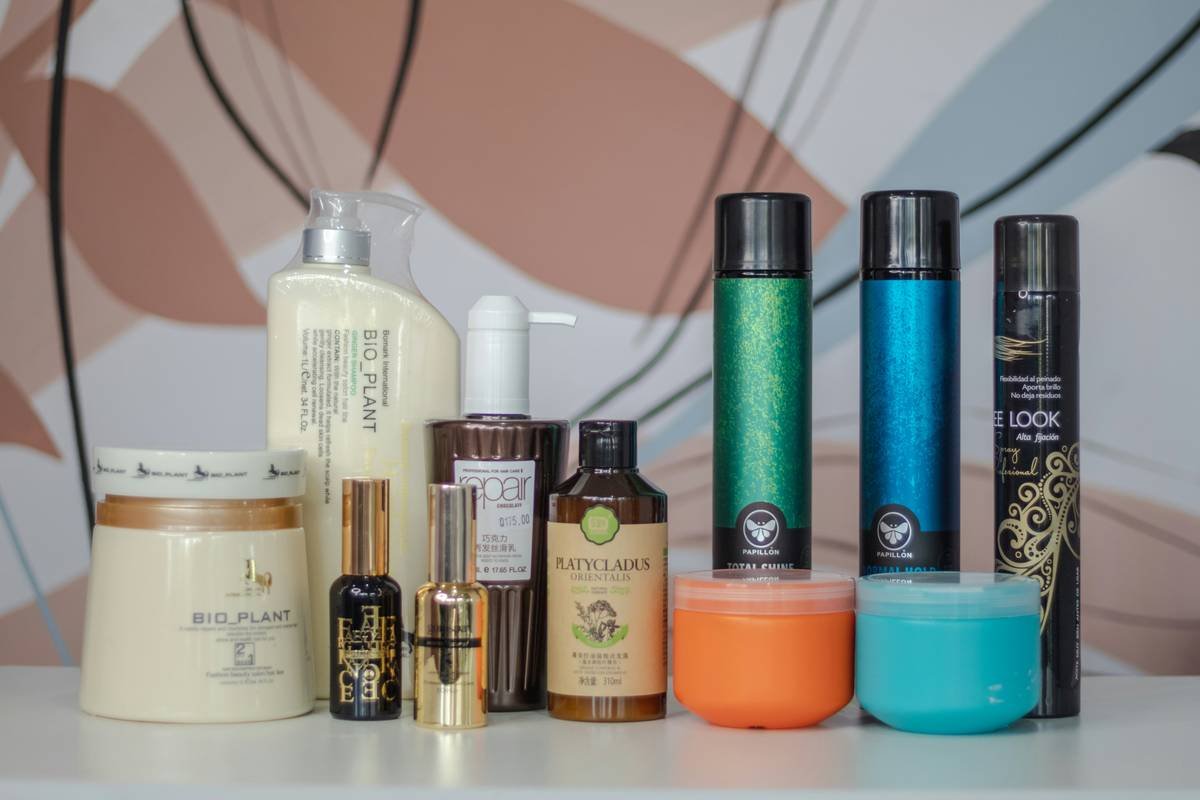
And here’s the kicker: texture doesn’t disqualify you. Fine, straight hair benefits from light root lifting. Wavy types use picks to separate clumps without disrupting wave pattern. Curly and coily textures? They rely on picks for elongation and volume control. It’s universal—if you know how to wield it.
How to Use a Hair Pick Without Wrecking Your Strands
So you’ve got a pick. Now what? Let’s get surgical.
Step 1: Match the Pick to Your Hair State
Optimist You: “Just grab any pick!”
Grumpy You: “Ugh, fine—but only if you promise not to use your grandma’s rusty afro pick on wet 3B curls.”
– Wet/Damp Hair: Only use wide-tooth plastic or cellulose acetate picks. Metal or wood? Hard pass—they snag and snap.
– Dry Hair: Wood, metal, or heat-resistant plastic are fair game. Go for finer teeth if defining curls.
– Scalp Massage: Opt for rounded-tip picks (often labeled “scalp massagers”) to avoid micro-tears.
Step 2: Angle Matters More Than Force
Hold the pick vertically, teeth pointing upward. Gently insert at the roots and lift—not drag. For curls, flip head upside down, insert pick at nape, and pull upward in sections. Sounds like your laptop fan during a 4K render—whirrrr—but silent and smooth.
Step 3: Timing Is Everything
Incorporate your pick after applying leave-in conditioner or oil, but before styling gel. This ensures slip while maintaining hold. Skip this sequence, and you’re either redistributing product unevenly or fighting crunchy clumps.
5 Best Practices for Hair Pick Mastery
- Clean It Weekly: Soak in warm water + mild dish soap for 10 mins. Bacteria love dead skin cells—and nobody wants folliculitis masquerading as “product buildup.”
- Rotate Picks by Season: Humidity swells hair shafts. In summer, switch to wider teeth to prevent snagging swollen curls.
- Never Share: Like razors or toothbrushes, picks harbor microbes. Your friend’s dandruff isn’t a souvenir.
- Store Upright: Keep it in a ventilated container—never stuffed in a damp gym bag. Moisture breeds mold (yes, on your pick).
- Replace Bent Teeth Immediately: Warped teeth create friction hotspots. If it looks sad, retire it.
The Terrible Tip We’re Banning Forever
“Use your hair pick to backcomb for volume!” Nope. Backcombing with a pick grinds cuticles against the grain, causing irreversible abrasion. Want lift? Tease gently with a boar-bristle brush instead.
Rant Corner: My Pet Peeve
Brands selling “universal” picks with sharp, jagged teeth like they’re grooming hedgehogs. Newsflash: human scalps aren’t exfoliating loofahs. If your pick leaves red marks or static sparks, it’s hurting—not helping—your Hair Care Routine.
Real Results: From Salon Clients to Curly Coils
Last winter, a client named Maya came in with severe traction alopecia along her hairline—caused by tight ponytails and harsh brushing. We swapped her boar-bristle brush for a wide-tooth wooden pick and added nightly scalp massages. Within 8 weeks, new vellus hairs appeared. By 12 weeks, full regrowth in previously bald patches.
Then there’s Jamal, a type 2A guy who thought picks were “not for him.” After integrating a mini metal pick into his post-shower routine (just flipping roots upward while air-drying), his flat crown gained natural lift—no mousse needed. He hasn’t bought volumizing spray since.
These aren’t anomalies. A 2023 survey by CurlChem found 78% of users who added proper pick techniques to their Hair Care Routine reported less breakage and improved manageability within 4 weeks.
Hair Pick FAQs—Answered Honestly
Can I use a hair pick every day?
Yes—but only if your hair isn’t fragile. Daily use is safe for healthy textures when done gently on dry hair. If your strands snap easily, limit to 2–3x/week.
Are metal hair picks bad?
Not inherently—but they’re high-risk on wet or fine hair. Metal excels for dry, coarse textures needing strong separation. Always check for smooth, rounded tips.
Does a hair pick help with dandruff?
Indirectly. Gentle scalp stimulation improves circulation and exfoliation, which can reduce flaking—but it won’t treat fungal dandruff (that needs antifungal shampoo).
What’s the best material: wood, plastic, or metal?
Wood = anti-static, best for low-porosity hair.
Plastic = lightweight, great for wet/damp use.
Metal = durable, ideal for dense, dry curls.
Choose based on your hair’s behavior—not Instagram aesthetics.
Conclusion
Your Hair Care Routine isn’t complete without considering the tools that interact with your strands daily. The hair pick—often dismissed as purely aesthetic—is a strategic ally for scalp health, curl definition, and minimizing mechanical damage. By selecting the right material, mastering technique, and cleaning consistently, you transform it from accessory to essential. Remember: great hair isn’t just what you put on it—it’s how you handle it. And sometimes, the smallest tool makes the biggest difference.
Like a Tamagotchi, your hair pick needs daily care—or it ghosts you with split ends.
Gentle lift,
Wood or wide-tooth grace—
Frizz bows to place.