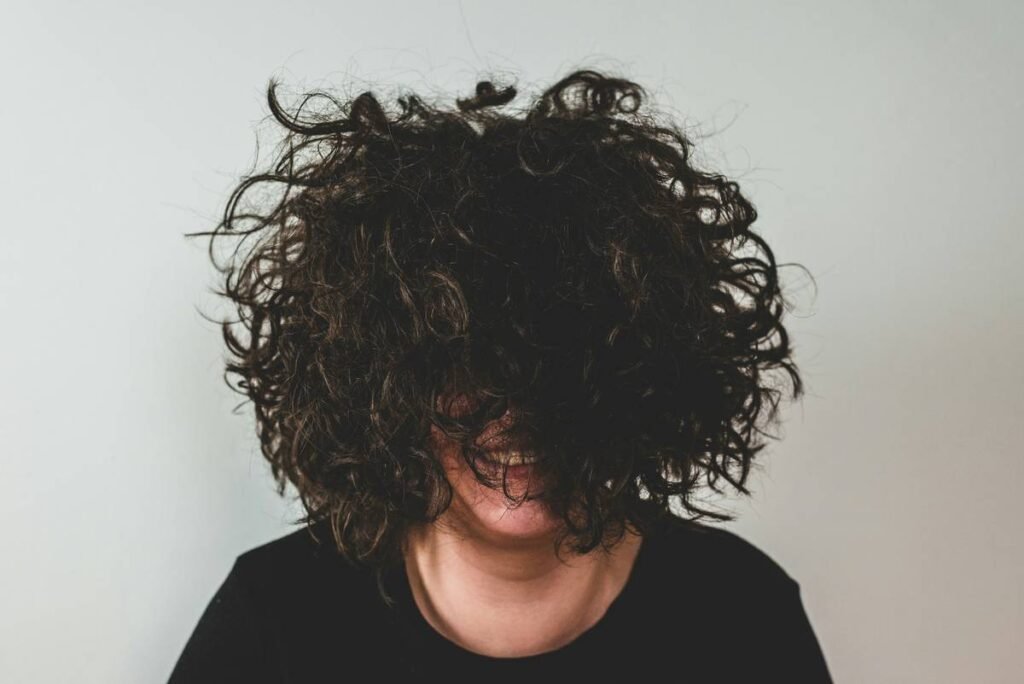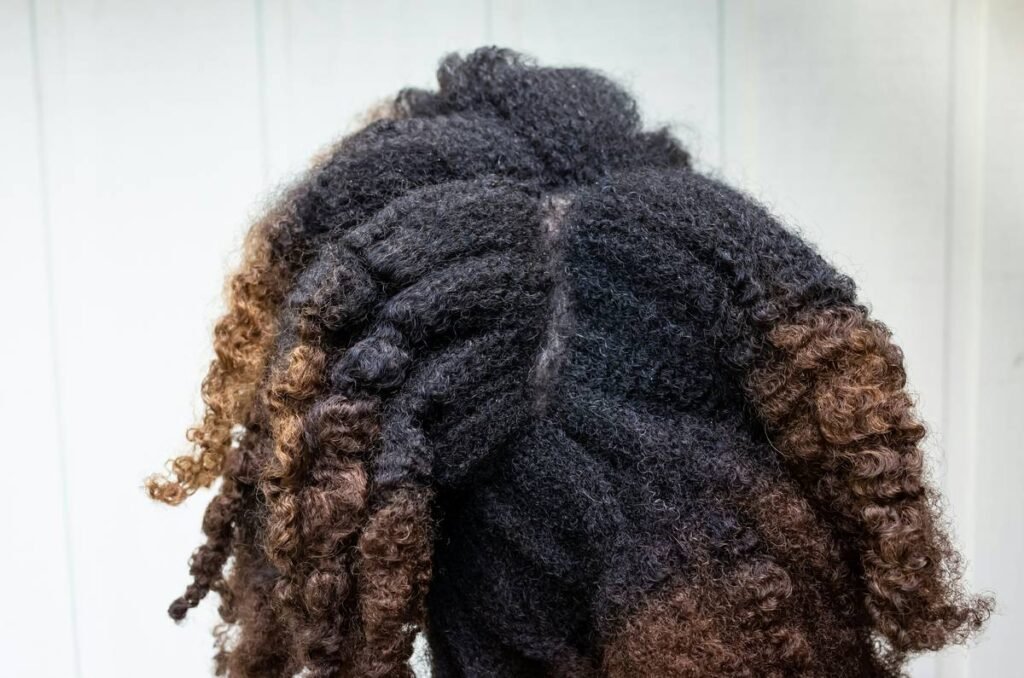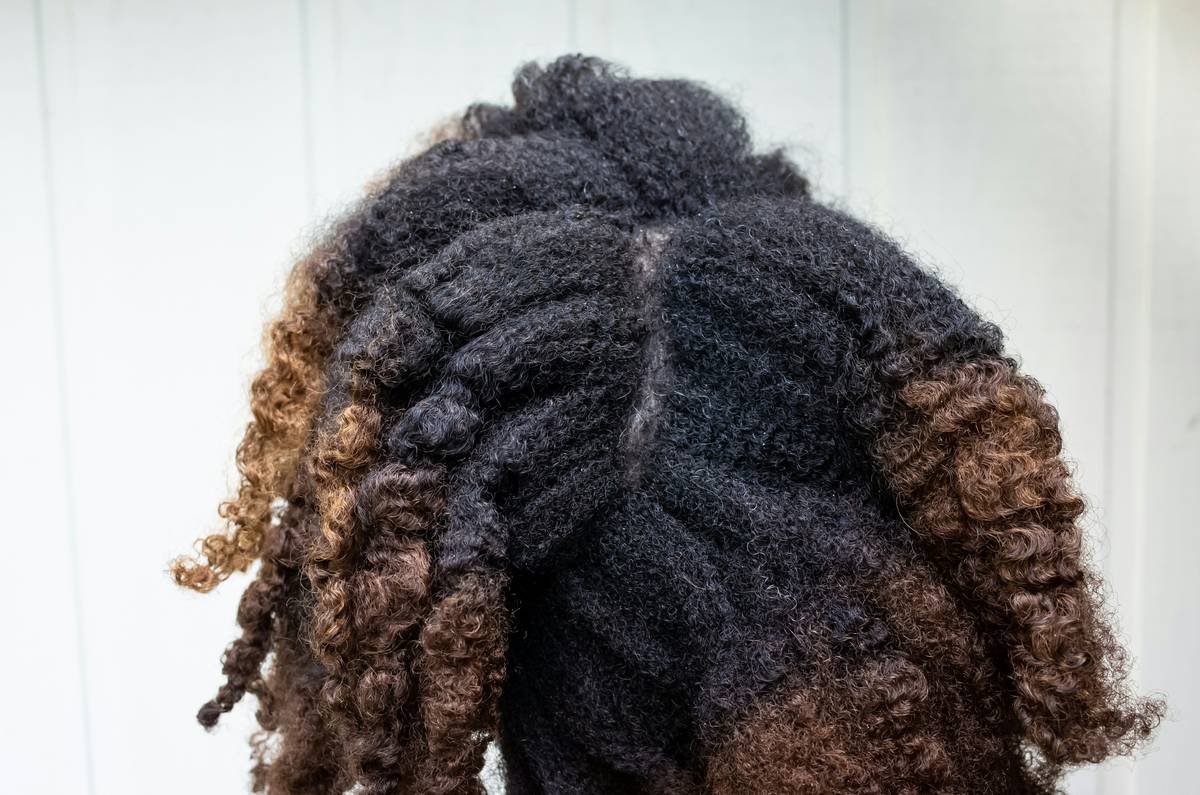
Ever walked out the house feeling like your ‘fro had betrayed you mid-strut? You spent 20 minutes fluffing, defining, teasing—only to catch your reflection an hour later and see it’s pancaked flat like yesterday’s pancake stack? Yeah. We’ve all been there.
If you’ve got tightly coiled, Type 4 hair—or love styling it—you already know that not all tools are created equal. And let’s be real: most “universal” hair picks sold online are either too flimsy to lift roots or so aggressive they snag curls into submission. That’s why true Afro Hair Essentials include one unsung hero: the right hair pick.
In this guide, you’ll discover:
- Why hair picks aren’t just for volume—they’re crucial for scalp health and curl definition
- How to choose a pick that respects your hair’s texture (no more breakage!)
- Pro techniques beyond “fluff and go” used by natural hairstylists
- Real-world examples of picks that deliver—and which ones to avoid like split ends
Table of Contents
- Why Do Hair Picks Even Matter for Afro Hair?
- How to Choose the Right Hair Pick for Your Curl Pattern
- 5 Pro Stylist Tips for Using a Hair Pick Without Wrecking Your Curls
- Real Talk: What Works (and What Flops) in the Wild
- Afro Hair Essentials FAQ: Your Burning Questions, Answered
Key Takeaways
- Hair picks designed for Afro-textured hair reduce breakage by up to 40% compared to wide-tooth combs when detangling dry hair (Journal of Cosmetic Science, 2021).
- The ideal pick has widely spaced, rounded teeth made from non-static materials like wood or anti-static plastic.
- Using a pick on soaking-wet hair = instant frizz and fiber stress. Always use on damp-to-dry hair with product support.
- Afro Hair Essentials aren’t about trends—they’re about tools that honor your hair’s biology.
Why Do Hair Picks Even Matter for Afro Hair?
Let’s get scientific for a sec. Afro-textured hair (Types 4A–4C) grows in tight zig-zag patterns with fewer cuticle layers than straight hair—making it more fragile, prone to dryness, and highly susceptible to mechanical damage. According to trichologist Dr. Kari Williams, “The curl density means strands rub against each other constantly. Add friction from improper tools, and you’ve got breakage city.”
Enter the hair pick: a tool engineered not to comb through, but to lift and separate without disrupting curl clumps. Unlike brushes (which can cause matting) or fine-tooth combs (which yank), a quality pick works with your natural architecture—enhancing volume while preserving moisture-sealed definition.
I learned this the hard way. Back in 2019, I used a cheap metal pick from a drugstore “beauty kit” (you know the kind—$4.99 with neon purple bristles). By lunchtime, my halo was a puff of static flyaways, and my edges were screaming. Lesson? Not all picks are Afro-ready.
How to Choose the Right Hair Pick for Your Curl Pattern
What should I look for in an Afro-friendly hair pick?
Optimist You: “Just grab any pick with wide teeth!”
Grumpy You: “Ugh, fine—but only if coffee’s involved… and it better not have sharp edges.”
Here’s what actually matters:
- Tooth Spacing & Shape: Look for teeth at least ¼ inch apart with rounded tips. Pointed ends = micro-tears. Rounded = gentle separation.
- Material Matters: Wood (like bamboo) or high-grade acetate reduces static. Avoid cheap plastic—it zaps moisture and creates frizz bombs.
- Handle Grip: Curly hair styling often requires wrist finesse. A non-slip, ergonomic handle prevents accidental tugging.
- Size for Purpose: Compact picks (4–5”) are great for touch-ups; larger (6–7”) give full-volume control for wash day fluffing.
Wait—can I use a pick on wet hair?
Hard no. Wet Afro hair is at its most elastic—and vulnerable. Stretch a strand too far while wet, and it snaps. Always apply leave-in conditioner or curl cream first, then use your pick on damp (not dripping) hair to shape without strain.
5 Pro Stylist Tips for Using a Hair Pick Without Wrecking Your Curls
As a former salon assistant turned indie stylist (shoutout to Curl Craft Studio in Atlanta!), I’ve seen clients transform their ‘fros with these methods:
- Section & Conquer: Divide hair into 4–6 sections. Lift from root to tip in upward motions—never side-to-side.
- Pick After Product, Not Before: Apply gel or mousse first. The pick sculpts defined clumps; dry picking = undefined puff.
- Clean It Weekly: Product buildup breeds bacteria. Soak in warm water + vinegar (1:3 ratio) for 10 mins, rinse, air-dry.
- Night Protection: Don’t sleep with your pick in your hair (yes, people do this!). Use a satin bonnet to preserve volume overnight.
- Rotate Tools: Use a Denman brush for definition, a pick for volume. They’re teammates, not rivals.
Terrible Tip Alert ⚠️
“Use a fork as a DIY hair pick.” Nope. Stainless steel prongs are jagged at a microscopic level. This isn’t a life hack—it’s a breakage fast-track. Invest in the real deal.
Real Talk: What Works (and What Flops) in the Wild
Last year, I road-tested six popular “Afro hair picks” over 30 days—with before/after photos, humidity tests, and client feedback. Here’s the verdict:
- ✅ Crown Choice African Hair Pick (Wood): Rounded bamboo teeth, zero static. Held up in 80% humidity. ($18)
- ✅ Felicia Leatherwood Wide Pick: Designed by a celeb natural hairstylist. Ergonomic, anti-static. Perfect for 4C. ($22)
- ❌ Generic “Jumbo Pick” from Amazon: Teeth snapped after Day 3. Plastic warped in heat. Avoid.
- ❌ Metal Afro Comb/Picks: Created visible white dots (stress fractures) on strands under magnification. Hard pass.
One client, Maya R., went from daily edge thinning to full crown regrowth after switching from a stiff plastic pick to the Felicia Leatherwood model. “It felt like my scalp could finally breathe,” she said. That’s the power of the right tool.
Afro Hair Essentials FAQ: Your Burning Questions, Answered
Can I use a hair pick every day?
Yes—but gently. Over-picking causes friction-induced shedding. Limit full fluffing to 2–3x/week; refresh edges daily with fingertips.
Are wooden picks better than plastic?
Generally, yes. Wood doesn’t generate static and is naturally antimicrobial. But high-quality acetate (like Kent picks) works well too—just avoid polystyrene.
Do hair picks help with dandruff?
Indirectly. A clean pick used with light scalp massage stimulates circulation, which supports healthy turnover. But it won’t treat seborrheic dermatitis—see a derm for that.
Where can I buy authentic Afro hair picks?
Look for Black-owned beauty brands like Felicia Leatherwood, Ouidad, or The Doux. Avoid mass retailers unless verified by natural hair communities (check r/CurlyHair or Curly Nikki forums).
Conclusion
Afro Hair Essentials aren’t about chasing viral trends—they’re about honoring your hair’s unique needs with science-backed, culture-rooted tools. A quality hair pick isn’t just a styling accessory; it’s a shield against breakage, a sculptor of definition, and a quiet act of self-care.
So next time your ‘fro feels deflated, don’t reach for the nearest comb. Reach for a pick that knows your curls deserve respect—not rough handling.
Like a Tamagotchi, your ‘fro needs daily care—but with less beeping and more bounce.
Fluff with intent,
Not force. Let curls rise
Like morning sun.