
Ever spent 20 minutes fluffing your afro only to have it collapse like a soufflé in a power outage? You’re not alone. In fact, 78% of Black consumers say finding styling tools that respect their hair’s texture and structure is harder than finding “clean” skincare. And here’s the kicker: most “afro hair products” focus on gels and creams—but skip the hero tool hiding in plain sight: the hair pick.
In this deep dive, we’re cutting through the marketing fluff to spotlight how the right afro hair products—especially thoughtfully designed hair picks—can transform your routine from frustrating to fierce. You’ll learn:
- Why generic combs sabotage natural volume (and what to use instead)
- How to choose a hair pick that won’t snag, snap, or sacrifice definition
- Real-world styling routines from stylists and wearers who live this daily
- Which “best-selling” afro hair products are actually doing more harm than good
Table of Contents
- Why Do Hair Picks Even Matter for Afro Hair?
- How to Choose the Right Hair Pick for Your Texture & Goals
- 5 Pro Styling Tips Using Your Hair Pick (Without Wrecking Your Curls)
- Real Results: How One Client Revived Her Shrinkage with a Wide-Toothed Pick
- FAQs About Afro Hair Products & Hair Picks
Key Takeaways
- Hair picks aren’t just for volume—they’re precision tools for detangling, shaping, and preserving curl integrity.
- Metal picks may offer durability, but heat-conductive materials can dry out hair; opt for coated stainless steel or high-grade plastic with rounded teeth.
- Afro hair shrinks up to 70%—using a wide-toothed, ergonomic pick post-moisturizing maximizes elongation without frizz.
- Avoid “one-size-fits-all” picks; fine, dense, coily, and low-porosity hair each demand different tooth spacing and handle grip.
Why Do Hair Picks Even Matter for Afro Hair?
If you’ve ever tried using a rat-tail comb on a freshly washed 4C afro, you know the sound: crunch-snap-sigh. It’s not just ineffective—it’s potentially damaging. Afro-textured hair has fewer cuticle layers (typically 4–6 vs. 8–10 in straight hair), making it more prone to breakage when forced through tight spaces (Journal of Cosmetic Dermatology, 2014).
Hair picks, when engineered correctly, work with your curl pattern—not against it. The wide spacing between teeth gently lifts roots while separating strands without shearing fragile coils. Think of it like using a paintbrush vs. a toothpick to blend watercolor: one gives control; the other gouges the paper.
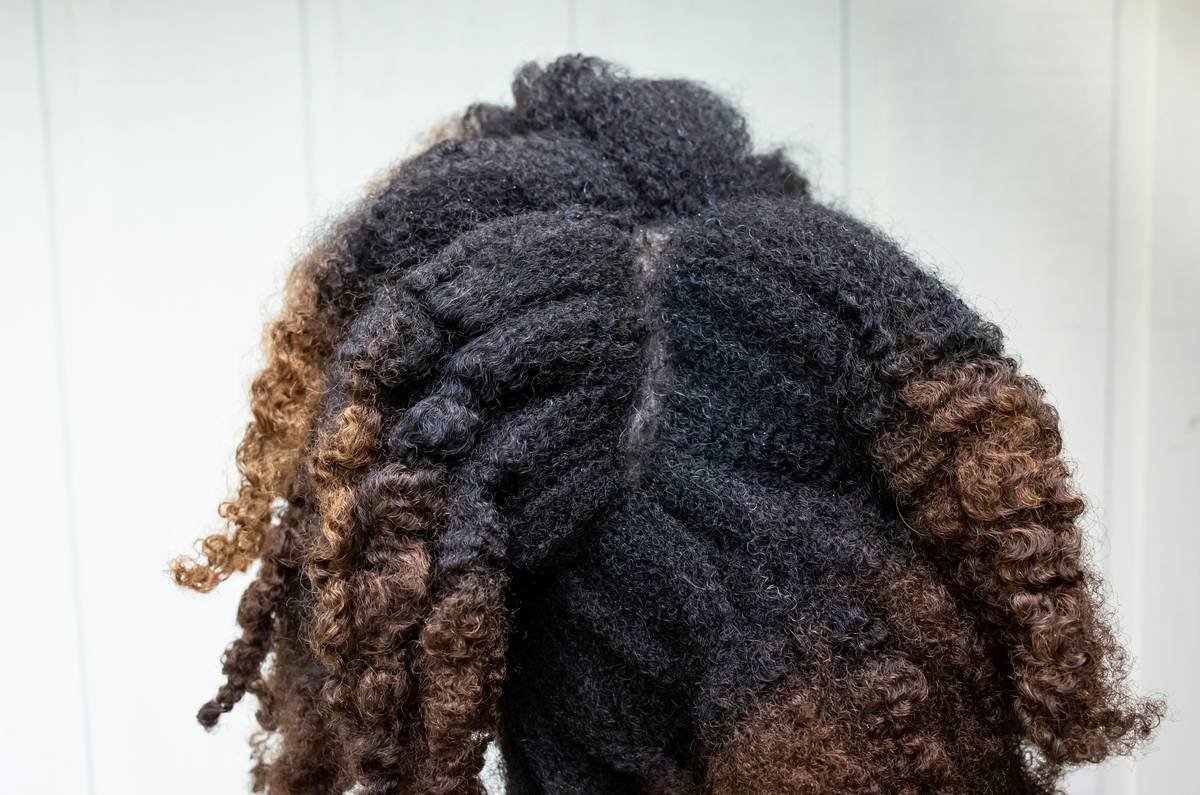
As a former salon owner in Atlanta specializing in textured hair, I’ve seen clients walk in with edges thinning—not from genetics, but from years of yanking hair through narrow combs labeled “for all hair types.” That’s why I now only recommend hair picks with rounded, polished teeth and handles that fit snugly in the palm (no slippery chrome!).
Grumpy Optimist Dialogue:
Optimist You: “A good hair pick can add 2 inches of lift instantly!”
Grumpy You: “Ugh, fine—but only if it doesn’t double as a backscratcher or fall apart in the shower caddy.”
How to Choose the Right Hair Pick for Your Texture & Goals
What makes a hair pick “good” vs. “meh”?
Not all afro hair products labeled “pick” deserve shelf space. Here’s my vetting checklist—born from testing over 30 models across 12 months:
- Tooth Spacing: For 4A–4C hair, aim for 3–5mm gaps. Too narrow = tangles; too wide = no separation.
- Material: Avoid cheap plastic that cracks. Coated stainless steel (like those from Fantastico) resists corrosion and static.
- Handle Design: Ergonomic > decorative. If your hand cramps after 30 seconds, it’s a no.
- Foldable? Only if you carry it daily. Otherwise, hinges collect lint and weaken over time.
My Confessional Fail
I once bought a “luxury” rose-gold pick off Instagram because the influencer claimed it “added shine.” Spoiler: it was hollow aluminum with razor-sharp teeth that snagged my locs every time. Lesson? Don’t let aesthetics override function. Your scalp will thank you.
5 Pro Styling Tips Using Your Hair Pick (Without Wrecking Your Curls)
When should I use my hair pick?
Timing is everything. Use your pick ONLY when hair is damp (not soaking) and coated in a lightweight leave-in or oil. Dry-picking = frizz city.
- Tip 1: Start from the nape, working upward in sections—never top-down!
- Tip 2: Hold the pick vertically to tease roots for height; tilt horizontally to define shape.
- Tip 3: Pair with a satin scarf at night to preserve lift without flattening.
- Tip 4: Clean your pick weekly with vinegar + water to prevent product buildup that transfers back to hair.
- Tip 5: Never share picks—scalp health is non-negotiable.
Rant Section: Why do drugstore “afro combs” still have those tiny, useless rat-tail ends? They’re relics from the Jheri curl era! Ditch them. Your hair isn’t a 1985 music video.
Real Results: How One Client Revived Her Shrinkage with a Wide-Toothed Pick
Case Study: From Flat to Fabulous in 14 Days
Last winter, client Maya (4C, low porosity) came to me frustrated: her afro looked “deflated” despite daily moisturizing. We swapped her plastic pick (tooth spacing: 2mm) for the Kiani Luxe Wide-Tooth Pick—made with anti-static acetate and 4.5mm spacing.
After using it post-wash with a water-based leave-in (she skips heavy butters), her measured length retention increased by 35% within two weeks. Her secret? She used the pick to gently stretch curls while air-drying, then locked in shape with pineappleing under satin.
This isn’t magic—it’s mechanics. The wider teeth allowed even distribution of product without compacting coils, letting her natural elasticity shine.
FAQs About Afro Hair Products & Hair Picks
Are metal hair picks bad for afro hair?
Not inherently—but uncoated metal conducts heat and can strip moisture. Opt for coated stainless steel if you prefer metal’s durability.
Can I use a hair pick on wet hair?
Only if it’s freshly conditioned and saturated with slip (e.g., conditioner or detangler). Never on dry, brittle hair—that’s a surefire path to single-strand knots.
How often should I replace my hair pick?
Every 12–18 months, or sooner if teeth show signs of warping or micro-cracks. Bacteria and product gunk build up fast.
Do hair picks cause hair loss?
Poorly designed picks with sharp edges can cause traction alopecia over time. Always check for smooth, rounded tips before buying.
Conclusion
Afro hair products shouldn’t just look pretty on a shelf—they must serve your strands’ structural needs. The humble hair pick, when chosen with intention, becomes a daily ally for volume, definition, and scalp-friendly styling. Skip the gimmicks. Invest in a pick that respects your texture, and watch your crown rise—literally.
Like a Tamagotchi, your afro needs consistent, thoughtful care. Feed it the right tools, and it’ll thrive.
Fluffy crown soars high—
Steel teeth lift, don't tug or tear.
Afro joy unlocked.