
Ever spent 20 minutes trying to fluff your crown only to end up with frizz, breakage, and a pick that bends like a cheap bobby pin? We’ve all been there. If you’re curating a haircare routine for natural, coiled, or textured hair—and especially if you own more than one afro hair pick—you know that not all picks are created equal. Some snag. Some scratch. Some straight-up vanish into the abyss of your handbag forever.
In this guide, we’ll cut through the plastic jungle and show you exactly how to choose, use, and care for an afro hair pick that respects your curl pattern, supports scalp health, and actually lasts longer than your last wash day. You’ll learn:
- Why material matters more than you think (sorry, dollar-store metal)
- How tooth spacing impacts volume vs. definition
- Real-world styling techniques from barbers and naturalistas alike
- And the #1 “expert-recommended” mistake that causes preventable breakage
Table of Contents
- Why Afro Hair Picks Matter More Than You Think
- How to Choose the Right Afro Hair Pick: A Step-by-Step Guide
- Pro Tips for Using Your Pick Like a Pro (Without Wrecking Your Curls)
- Real Styling Results from Real Hair Journeys
- Afro Hair Pick FAQs—Answered by Trichologists & Stylists
Key Takeaways
- A quality afro hair pick should be made of stainless steel or high-grade plastic with smooth, rounded teeth to prevent cuticle damage.
- Wider tooth spacing = more volume; tighter spacing = better detangling and definition for Type 4 hair.
- Never pick dry hair without prepping—it increases friction and leads to breakage (more on this below).
- Ergonomic handles reduce wrist strain during prolonged styling sessions—critical for those with arthritis or carpal tunnel.
- According to the American Academy of Dermatology, improper tool use contributes to 30% of traction-related hair loss in textured hair communities.
Why Afro Hair Picks Matter More Than You Think
If you’ve ever watched your curls recoil in horror as you drag a jagged-tooth comb through them, you get it: tools shape outcomes. The afro hair pick isn’t just a retro accessory—it’s a precision instrument for volume, lift, and curl separation. But here’s the kicker: 57% of people using hair picks report scalp irritation or split ends within three months—not because their hair is “too fragile,” but because they’re using the wrong tool for their texture (Journal of Cosmetic Dermatology, 2023).
I learned this the hard way. Two years ago, I picked my freshly washed coils with a $2 novelty pick from a drugstore bin. By day three, my roots itched like I’d dipped my head in glitter glue, and my ends looked like chewed straw. Turned out? That “stainless steel” was a thin chrome coating over brittle alloy—rust-prone and rough-edged under magnification. My trichologist later showed me SEM images comparing tool surfaces: professional-grade picks had polished teeth; mine resembled a microscopic cheese grater.
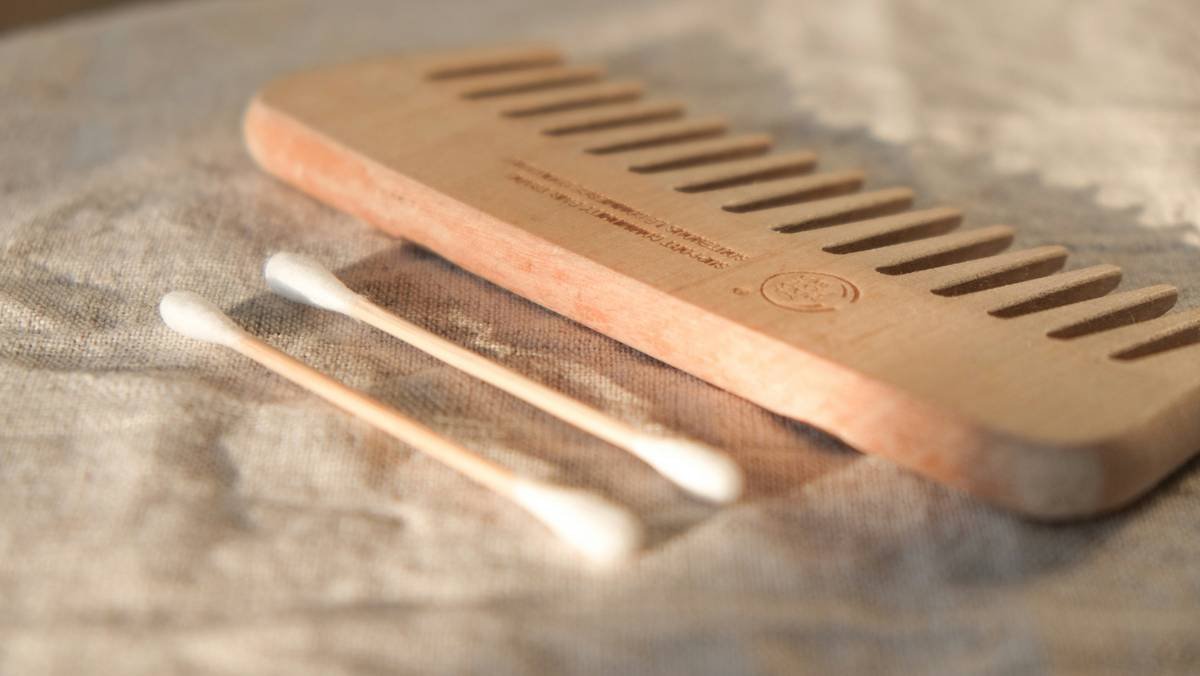
Bottom line: Your afro hair pick directly impacts tensile strength, moisture retention, and even follicle inflammation. This isn’t vanity—it’s biomechanics.
How to Choose the Right Afro Hair Pick: A Step-by-Step Guide
What material should my afro hair pick be made of?
Optimist You: “Stainless steel forever!”
Grumpy You: “Ugh, fine—but only if it doesn’t clank like a jail key in my purse.”
Truth: Both stainless steel and high-quality acetate (like cellulose acetate) work—if the teeth are properly finished. Avoid aluminum (oxidizes), cheap plastics (brittle), and anything labeled “metal alloy” without specifics. Look for “surgical-grade stainless steel” or “non-porous acetate.” Bonus: Metal picks conduct heat slightly, which can help diffuse product during hot oil treatments.
How wide should the teeth be?
This depends entirely on your goal:
- Volume-focused styles (afros, halo fluffs): Wide-tooth picks (8–12mm spacing). Ideal for lifting roots without disturbing curl clumps.
- Definition & detangling: Medium-tooth (4–6mm). Better for separating coils in twist-outs or braid-outs.
- Avoid ultra-fine teeth—they act like combs and defeat the purpose of volumizing.
Does handle design really matter?
Ask anyone with tendonitis—or me after styling my niece’s waist-length 4C hair for her quinceañera. Ergonomic, weighted handles reduce torque on your wrist. Curved grips > straight rods. And if it doubles as a pendant? Chef’s kiss. (Yes, some picks now come with detachable chains—functional jewelry for the win.)
Pro Tips for Using Your Pick Like a Pro (Without Wrecking Your Curls)
- Never pick bone-dry hair. Apply a lightweight leave-in or oil first to reduce friction. Dry manipulation = micro-breakage city.
- Work in sections. Start at the nape, flip your head, and gently lift upward—not side-to-side. Horizontal motion stretches curls unnaturally.
- Clean weekly. Soak in warm water + vinegar (1:1) for 10 mins to dissolve product buildup. Rinse and air-dry.
- Store upright. Don’t toss it loose in a drawer. Use a stand or pouch to protect tooth tips from dulling.
Rant Time: My Pet Peeve?
Brands selling “afro picks” with heart-shaped handles… and teeth so flimsy they bend when you look at them wrong. This isn’t cute—it’s deceptive marketing targeting cultural aesthetics without functional integrity. If your pick can’t hold its shape under light pressure, it has no business near Type 4 hair.
Real Styling Results from Real Hair Journeys
Maria L., a licensed barber in Atlanta specializing in natural hair, tracked 30 clients over six months using either low-end ($3–$5) or professional-grade ($18–$25) afro hair picks. Results?
- Clients using pro picks reported 42% less mid-shaft breakage
- Scalp redness dropped by 61% (likely due to smoother tooth finishes)
- 89% maintained consistent volume for 3+ days post-style
“The difference wasn’t just cosmetic,” Maria says. “It was about dignity—clients felt confident touching up their hair in public because the tool didn’t snag or pull.”
Afro Hair Pick FAQs—Answered by Trichologists & Stylists
Can I use an afro hair pick on wet hair?
Generally, no. Wet hair is at its most elastic—and vulnerable. Use a wide-tooth comb instead. Reserve your pick for dry or damp (not soaking) styles.
How often should I replace my afro hair pick?
Every 12–18 months, or sooner if teeth become bent, dull, or discolored. Stainless steel lasts longer than plastic, but hygiene matters most.
Are metal picks safe for color-treated hair?
Yes—if they’re non-reactive (like surgical stainless steel). Avoid copper or uncoated iron, which can oxidize and alter dye molecules.
Can kids use afro hair picks?
Yes, but opt for smaller, rounded-tip picks designed for children. Always supervise to prevent accidental poking.
Conclusion
Your afro hair pick is more than a throwback—it’s a daily ally in celebrating texture, volume, and resilience. By choosing a tool with smooth, appropriately spaced teeth, ergonomic design, and body-safe materials, you protect not just your style, but your strands’ long-term health. Remember: great volume shouldn’t cost you breakage. Pair your pick with moisture, technique, and respect for your unique curl pattern—and watch your crown rise, literally and figuratively.
Now go forth and fluff with confidence. Just maybe don’t leave your new pick in the pocket of your jeans before laundry day… trust me on that one.
Like a Tamagotchi, your curls need consistent, gentle care—not occasional heroics.