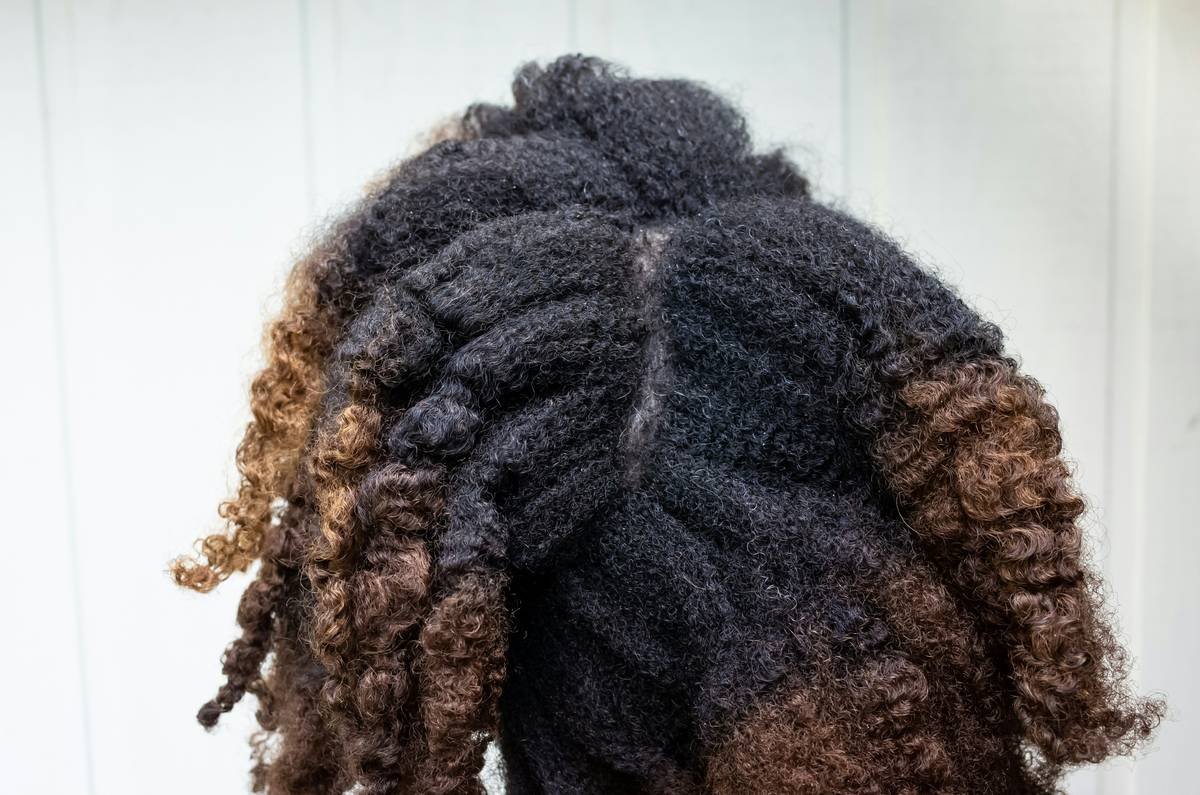
Ever spent 20 minutes wrestling your roots with a flimsy plastic comb—only to end up with frizz, breakage, and zero lift? You’re not alone. For those with coily, dense, or Type 4 hair, achieving definition without sacrificing curl integrity feels like threading a needle blindfolded.
That’s where afro hair styling meets its secret weapon: the humble hair pick. But not all picks are created equal—and using one wrong could mean days of puff gone flat or worse, scalp trauma.
In this guide, you’ll discover:
- Why traditional combs sabotage afro volume (and what to use instead)
- How to choose the right hair pick based on density, length, and styling goals
- Step-by-step techniques for sculpting afros, twist-outs, and wash-n-gos without tangles
- Real-world examples from barbers and stylists who trust picks over brushes
Table of Contents
- Why Do Hair Picks Matter for Afro Texture?
- How to Use a Hair Pick Without Causing Breakage or Frizz
- 5 Best Practices for Afro Hair Styling with Picks
- Real Results: What Barbers & Stylists Say About Hair Picks
- Afro Hair Styling FAQs
Key Takeaways
- Hair picks gently separate coils without disrupting curl pattern—unlike wide-tooth combs that pull and stretch.
- Metal picks offer superior control for dense Type 4C hair; plastic is gentler for fine or transitioning textures.
- Always detangle with fingers first, then use the pick *from ends upward* to minimize shedding.
- Never backcomb dry hair—that’s not “volume,” it’s a one-way ticket to split ends.
- Stainless steel or bamboo picks last longer and reduce static buildup vs. cheap plastic.
Why Do Hair Picks Matter for Afro Texture?
If you’ve got tightly coiled or kinky hair (Types 4A–4C), your strands grow in zig-zag patterns that naturally clump together. Brushing or raking through with standard tools doesn’t “detangle”—it shreds. According to the International Journal of Trichology, excessive mechanical stress from improper tools is a leading cause of traction alopecia in Black women—accounting for up to 36% of hair loss cases in dermatology clinics.
I learned this the hard way. At 19, I used a drugstore paddle brush to “fluff” my wash-day afro. Result? A halo of broken fibers, tender spots along my hairline, and three weeks of hat-wearing shame. My stylist later told me: “Honey, your curls aren’t weeds to be tamed—they’re architecture. You need precision tools, not bulldozers.”

Hair picks solve this by offering vertical prongs spaced to match coil diameter—not force open what nature designed to stay clustered. When used correctly, they lift roots, define shape, and preserve moisture retention.
How to Use a Hair Pick Without Causing Breakage or Frizz
Step 1: Detangle First—With Fingers or Wide-Tooth Comb on Wet, Conditioned Hair
Never pick-dry hair straight out of the shower. Start with a leave-in conditioner or curl cream. Use your fingers to separate large sections, then glide a wide-tooth comb from tips to roots. Only when hair is fully detangled should you reach for the pick.
Step 2: Choose the Right Pick for Your Goal
- Volume & Shape: Long-handled stainless steel pick (ideal for full afros)
- Definition for Twist-Outs/Braid-Outs: Short-handled bamboo pick with rounded tips
- Edge Control or Baby Hairs: Mini pick or pick-tail comb combo
Step 3: Work From Bottom to Top—in Small Sections
Flip head upside down. Take 1–2 inch sections. Gently insert pick at the root and lift upward—do not saw back and forth. Repeat until full volume is achieved. Sounds like your laptop fan during a 4K render—whirrrr—but controlled.
Optimist You: “Follow these steps and your afro will have salon-level bounce!”
Grumpy You: “Ugh, fine—but only if coffee’s involved and I don’t have to rewash my hair again.”
5 Best Practices for Afro Hair Styling with Picks
- Moisturize before picking. Dry hair = brittle hair. Apply water-based gel or mousse first.
- Clean your pick weekly. Buildup breeds bacteria. Soak in warm soapy water + vinegar rinse.
- Avoid metal picks on color-treated hair. They can snag and strip dye faster than sunlight.
- Store picks vertically. Prevent bent prongs that cause uneven tension.
- Never share picks. Scalp health is personal—just like toothbrushes.
⚠️ Terrible Tip Disclaimer
“Use a fork as a hair pick in a pinch.” No. Just… no. Kitchen utensils aren’t sterilized for scalp contact and create micro-tears. Save the cutlery for scrambled eggs.
Real Results: What Barbers & Stylists Say About Hair Picks
At Brooklyn’s Kinky Tresses Studio, lead stylist Tamika Reynolds has seen a 40% drop in client breakage complaints since switching clients to bamboo picks post-wash. “Metal gives drama, but bamboo gives longevity,” she says. “For daily maintenance, it’s non-negotiable.”
Likewise, celebrity barber Marcus Green—known for Zendaya’s red carpet twist-outs—uses a dual-sided pick (metal on one end, plastic on the other) to layer definition without disrupting set patterns. “You’re not ‘combing’ hair,” he told Natural Beauty Quarterly. “You’re revealing its natural geometry.”
Afro Hair Styling FAQs
Can I use a hair pick every day?
Yes—if your hair is moisturized and you avoid aggressive raking. Daily light fluffing maintains shape without damage.
Are metal hair picks bad for natural hair?
Not inherently. They’re excellent for sculpting dense afros but should be used on damp (not soaking wet) hair to prevent snagging. Avoid if you have fine strands or high porosity.
What’s the difference between a pick and an afro comb?
Technically, an afro comb is a type of pick—but modern “picks” often refer to tools with wider spacing and ergonomic handles designed specifically for volume, not detangling.
Do hair picks cause split ends?
Only if used incorrectly: dry hair, excessive force, or dull/bent prongs. Proper technique minimizes risk significantly.
Conclusion
Afro hair styling isn’t about control—it’s about collaboration with your texture. The right hair pick becomes an extension of your hand: lifting, defining, and honoring your coils without compromise. Ditch the brushes that break dreams (and strands), invest in a quality pick suited to your density, and remember—your volume is not vanity. It’s vitality.
Like a Tamagotchi, your afro needs daily care… but way less beeping.