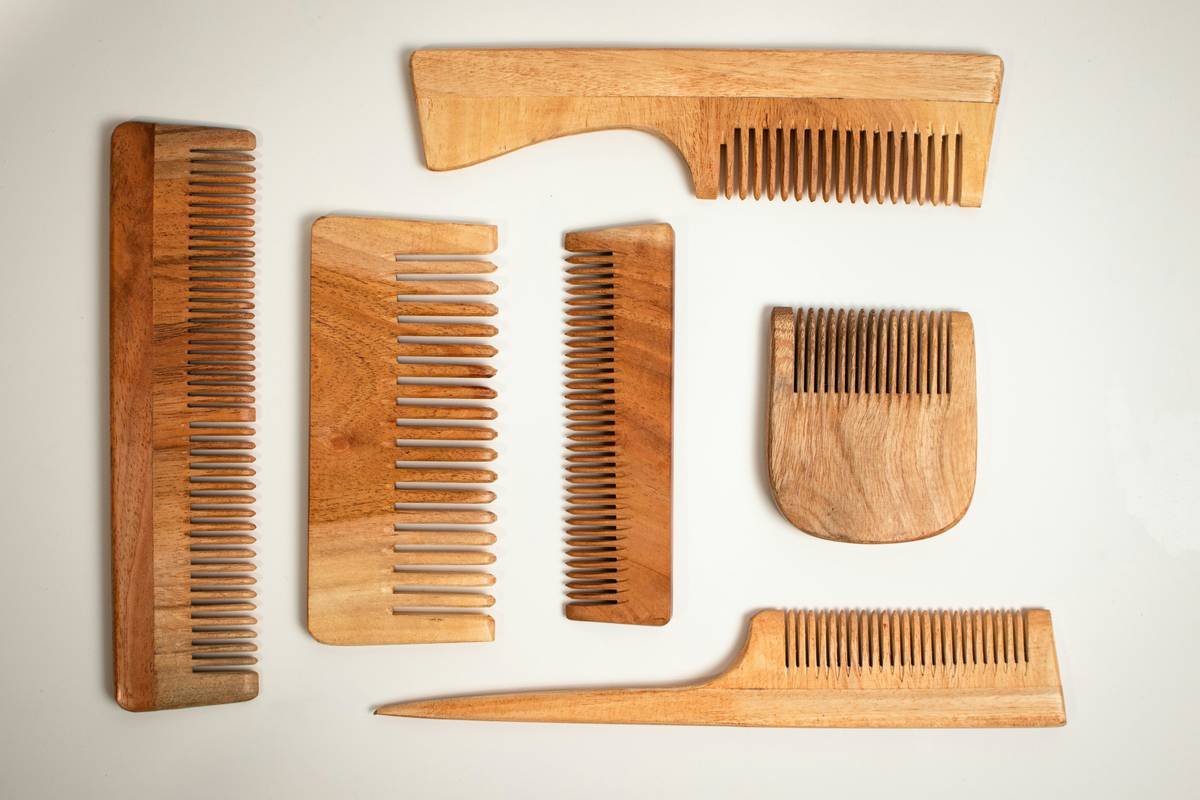
You spend hours moisturizing, sealing, and wrapping. Yet by day two, your coils look dry, flattened, or worse—frizzy beyond repair. The frustration is real. But what if the missing link isn’t your oil or your satin scarf—it’s the humble hair pick? Most people treat it like an afterthought. Big mistake.
Why Standard Detangling Methods Backfire on Afro Hair
Raking through tight curls with a wide-tooth comb might seem gentle—but it’s often too blunt. It compresses coil structure, encourages shedding, and disrupts curl definition at the root. Brushes? Forget it. They create static, split ends, and unnecessary tension where your hair is most fragile: near the scalp.
And here’s the truth no one admits: afro hair maintenance isn’t just about hydration—it’s about architecture. Your strands need vertical lift, not horizontal drag. That’s where the right tool changes everything.
Afro Hair Maintenance: A 3-Step Routine Built Around the Hair Pick
Step 1: Prep with Slip—Never Dry-Pick
Always apply a water-based leave-in or light oil blend before reaching for your pick. Dry manipulation = breakage. Period.
Step 2: Start from the Scalp—Not the Ends
Flip your head forward. Insert the pick vertically at the roots. Gently lift upward in small sections. This preserves curl clumping while expanding volume naturally—no frizz explosion.
Step 3: Finish with Precision Styling
Use the pick’s tail (if it has one) to define parts or fluff crown areas. Avoid over-picking. Two passes max per section. Less is more.
| Tool Type | Best For | Afro Hair Maintenance Score (1–5) | Risk of Breakage |
|---|---|---|---|
| Plastic Wide-Tooth Comb | Wet detangling only | 2 | Moderate (if used dry) |
| Boar Bristle Brush | Straight or loose textures | 1 | High (on coily hair) |
| Metal Afro Pick (Long Teeth) | Dry fluffing, root lift, style refresh | 5 | Low (when used correctly) |
| Finger Detangling | Deep conditioning rinse-out | 4 | Very Low |
The Industry Secret: Not All Hair Picks Are Equal (Most Brands Won’t Tell You This)
Here’s what salon pros whisper behind closed doors: the material and tooth spacing matter more than brand name. Cheap plastic picks bend, snap, and snag—especially on high-density 4C hair. Metal picks with rounded tips and graduated teeth (wider at base, tapered at end) glide without catching.
But—and this is critical—the handle must be weighted. Lightweight picks force you to press harder, tugging roots unintentionally. A well-balanced metal pick lets gravity do half the work. That’s why vintage picks from the ’70s are still coveted: they were engineered for density, not Instagram aesthetics.
FAQ
How often should I use a hair pick for afro hair maintenance?
Only when refreshing volume or styling—never daily. Overuse loosens curl pattern. 2–3 times weekly is ideal.
Can a hair pick cause hair loss?
Not if used correctly. Yanking or using it on dry, brittle hair can increase shedding. Always prep with moisture first.
What’s the best hair pick for thick 4C hair?
Look for stainless steel picks with long, widely spaced teeth and a non-slip grip. Avoid decorative combs—they’re style over function.