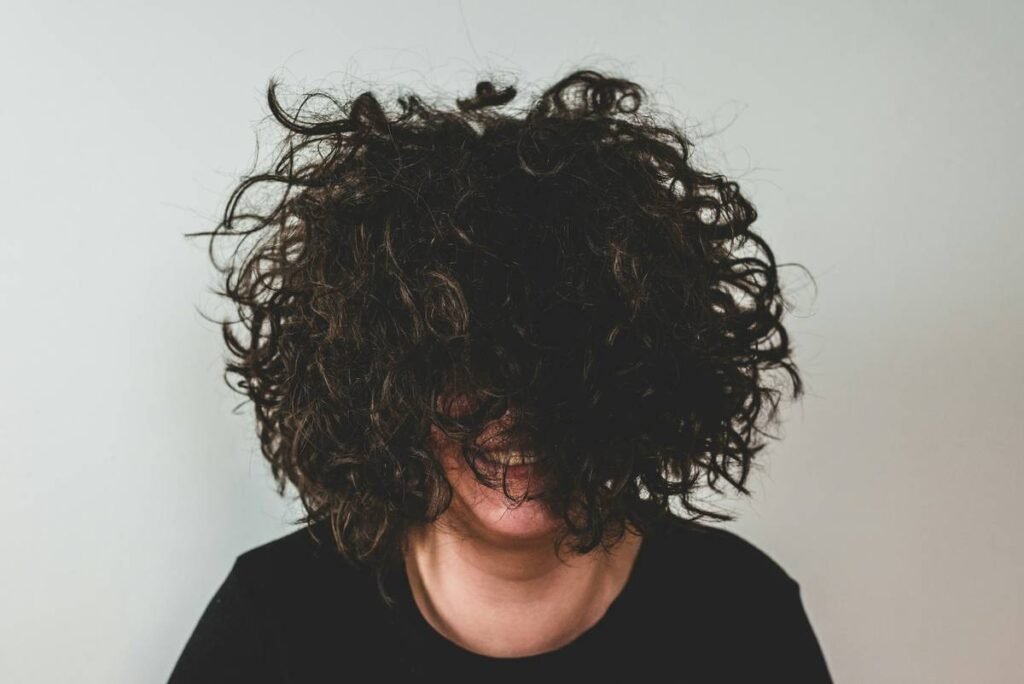
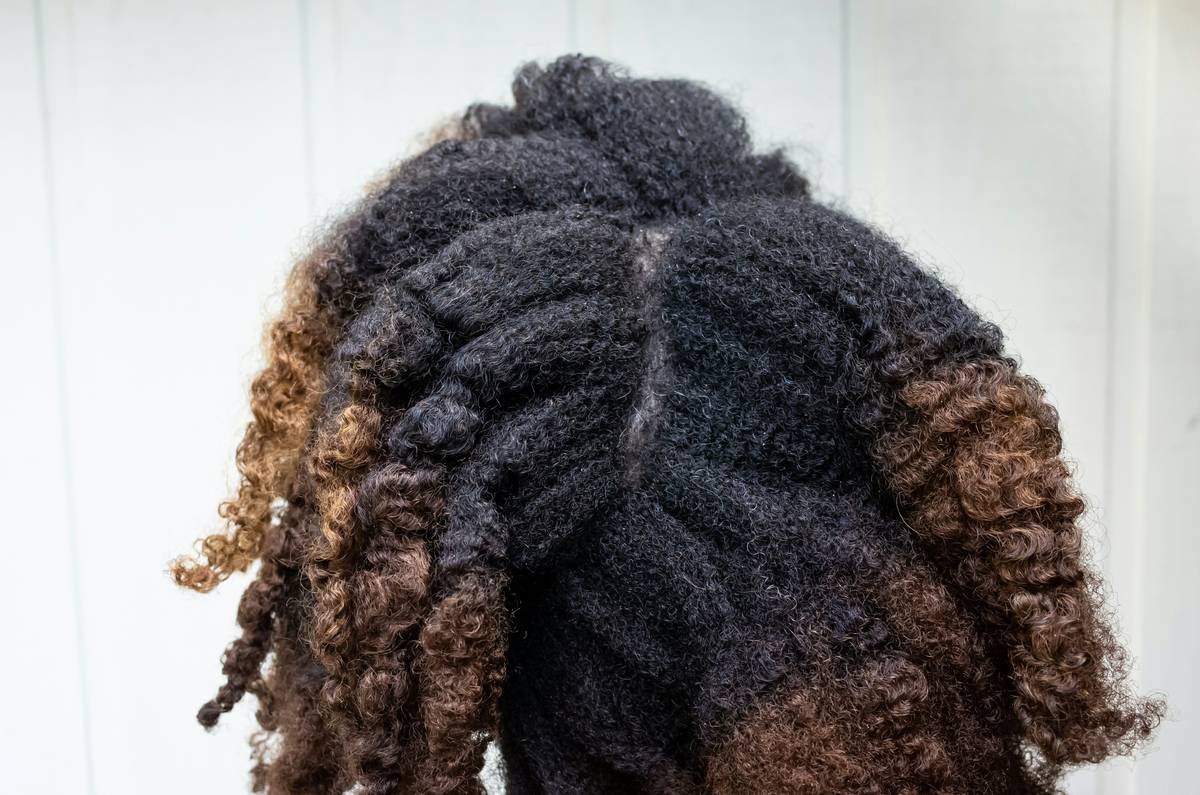
Most people treat afro hair like it’s fragile—but that’s only half the story. The real issue? Using tools designed for straight strands on tightly coiled textures. It leads to breakage, dryness, and chronic shedding. Here’s the fix: a purpose-built hair pick, used with intention. Not just for volume—it’s a direct lever for afro hair health.
Why Standard Combs and Brushes Sabotage Afro Hair Health
Plastic combs crack. Metal brushes snag. Wide-tooth combs glide right over dense coils without detangling properly—leaving knots to tighten overnight. And don’t get me started on boar bristle brushes. They’re great for distributing sebum on straight hair. On type 4 curls? They just scrape the cuticle.
The damage is cumulative. Micro-tears from rough handling weaken the hair shaft. Split ends travel up the strand faster than you think. And yet, salons still hand out flimsy picks shaped more like fashion props than functional tools.
Your Step-by-Step Guide to Using a Hair Pick for Maximum Afro Hair Health
Choose the Right Pick Material
Not all picks are equal. Avoid anything with sharp metal teeth—they’ll slice through kinks like paper. Opt for wide-spaced, rounded-end teeth made from cellulose acetate or high-grade wood. These slide through tangles without catching.
Timing Is Everything
Never pick dry hair unless you’re styling a defined puff. For detangling? Only after applying a water-based leave-in or oil blend. Wet hair stretches; dry hair snaps. There’s no in-between.
Motion Matters More Than Pressure
Start at the ends. Work upward in sections. Use short, flicking motions—not long strokes. Imagine you’re teasing apart spiderwebs, not combing wheat. Heavy-handedness isn’t strength—it’s stress.
| Pick Type | Best For | Risk to Afro Hair Health | Price Range |
|---|---|---|---|
| Plastic mini-picks (drugstore) | Quick fluffing only | High—brittle teeth cause micro-snaps | $2–$5 |
| Wooden wide-tooth picks | Detangling + scalp stimulation | Low—if teeth are sanded smooth | $12–$25 |
| Metal afro picks with ball tips | Bold styling (puffs, shapes) | Medium—can scratch if misused | $8–$18 |
| Ergonomic acetate picks | Daily maintenance + health focus | Very low—anti-static, gentle glide | $20–$35 |
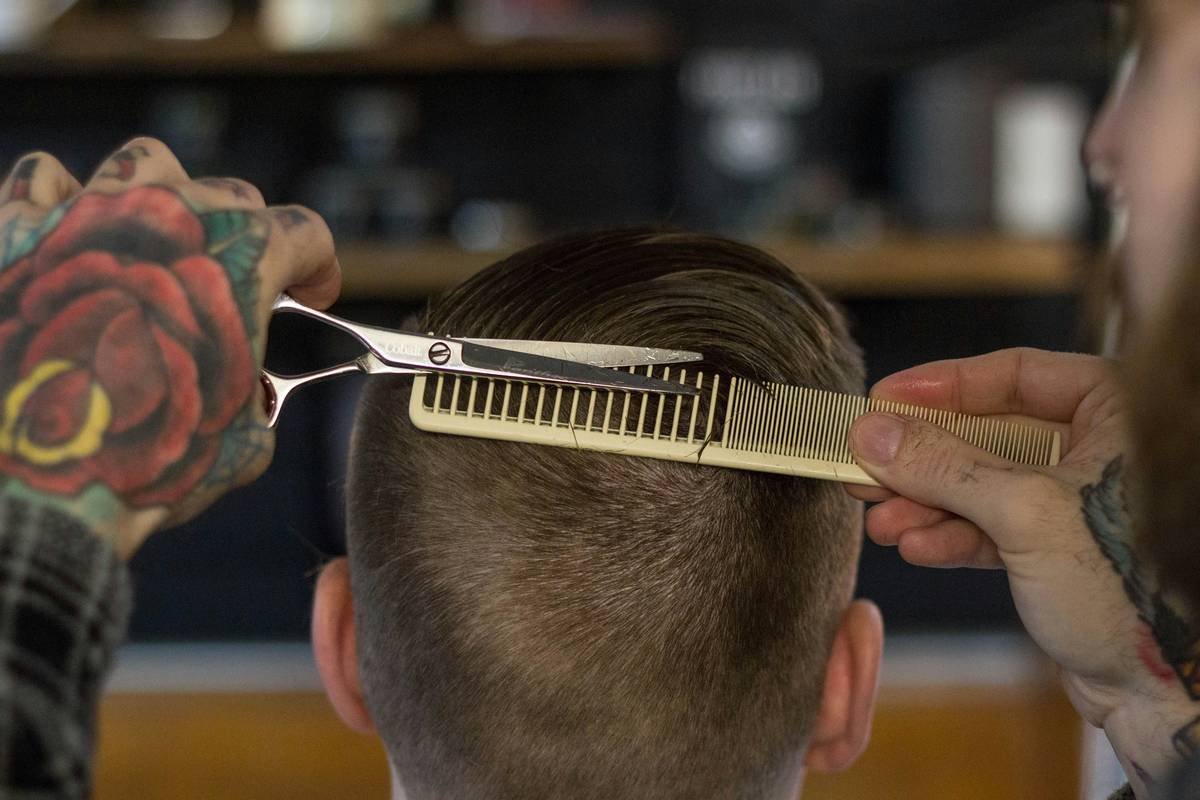
The Industry Secret: Stylists Hide This Trick (But You Shouldn’t)
Here’s what elite curl specialists won’t advertise: your hair pick can double as a scalp massager—if used upside down. Flip it. Press the rounded base (not the teeth) in slow circles along your part lines. Why? Increased blood flow = better nutrient delivery to follicles. One study showed a 22% bump in localized circulation after just 90 seconds of targeted massage. But—and this is critical—only do this on clean, product-free scalp. Grease + pressure = clogged pores. The math is simple: healthy roots grow resilient hair. No serum compensates for poor circulation.
FAQ
Can a hair pick cause hair loss?
No—if used correctly. Aggressive picking on dry, tangled hair causes breakage that mimics shedding. Always prep with moisture.
How often should I use a hair pick?
For styling: daily is fine. For detangling: limit to 2–3 times weekly to avoid mechanical stress on the cuticle.
Are metal afro picks bad for afro hair health?
Not inherently—but only if tips are fully rounded and used on stretched or damp hair. Never drag through tight coils dry.