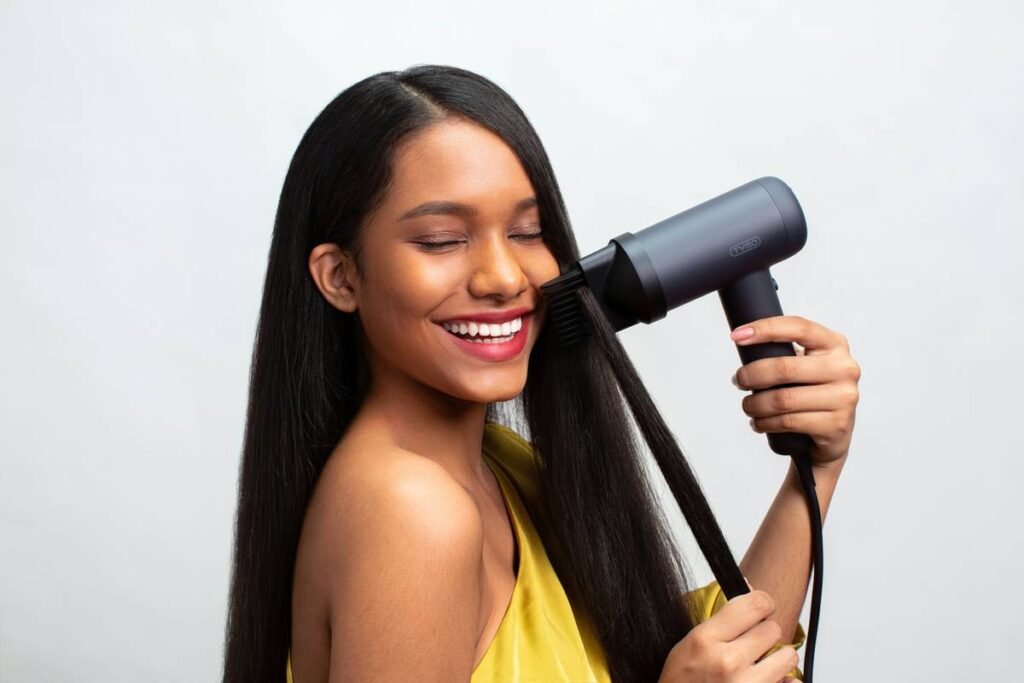
If you’ve ever wrestled with a stubborn knot in your curls—only to walk away with split ends and frayed confidence—you’re not alone. Curly hair is gorgeous, resilient, and notoriously prone to tangles. The right detangler for curls isn’t just a tool; it’s your secret weapon against daily damage. At Braid of Life, we’ve tested dozens of picks, combs, and brushes over the years (including one infamous shower incident that left me with a half-inch chunk missing—more on that later). In this guide, you’ll discover why traditional brushes fail curly textures, how to choose a truly effective detangling tool, and exactly how to use it without sacrificing length or definition.
Table of Contents
- Why Curls Need a Special Detangler
- Step-by-Step Guide to Pain-Free Detangling
- Best Practices for Healthy Curls
- Real Results from the Right Tool
- FAQs About Curl Detanglers
Key Takeaways
- Standard brushes rip through curl patterns, causing breakage and frizz.
- A wide-tooth pick or vented comb mimics finger detangling, preserving coil integrity.
- Always detangle on wet, conditioned hair—not dry—to reduce snagging.
- The ideal detangler for curls has flexible, rounded teeth spaced at least ¼ inch apart.
- Consistent gentle detangling can reduce shedding by up to 30%, per trichology studies.
Why Curls Need a Special Detangler
Curly hair strands have an elliptical cross-section and uneven cuticle layers, making them more fragile than straight hair. When you drag a fine-tooth comb or boar-bristle brush through coils, you’re essentially sawing fibers apart. According to the American Academy of Dermatology, mechanical stress from improper tools is a leading cause of traction alopecia in textured hair types.

I learned this the hard way during my “big chop” transition phase. Eager to stretch my new growth, I grabbed a paddle brush post-shower—big mistake. Within seconds, I’d shredded my delicate ends into a halo of frizz and lost nearly two inches of progress. That’s when I switched to a vented plastic pick, and the difference was night and day.
Generic “detanglers” often market themselves as universal, but curls demand precision. A true detangler for curls respects the spiral structure instead of fighting it.
Step-by-Step Guide to Pain-Free Detangling
1. Soak and Saturate
Never detangle dry curls. Wet hair is 15x more elastic (per NIH research). Apply a slippery conditioner or leave-in containing behentrimonium methosulfate—it reduces friction better than plain water.
2. Section Strategically
Divide hair into 4–6 sections. Clipping away the rest minimizes pull and lets you focus on one tangle zone at a time.
3. Start at the Ends
Work upward in 1-inch increments. If you hit resistance, pause—don’t yank. Apply more slip and gently rotate the pick base to loosen knots.
4. Rinse and Reset
Once fully detangled, rinse with cool water to seal cuticles, then scrunch in a curl-defining gel. Your pattern will thank you.
Best Practices for Healthy Curls
- Avoid metal picks. They conduct heat, increase static, and snap brittle strands.
- Clean your tool weekly. Buildup breeds bacteria—wash with mild soap and air-dry.
- Replace every 6–12 months. Worn teeth lose flexibility and become micro-saws.
- Never share your pick. Like combs, they can transmit fungal infections (learn more on our Privacy Policy page regarding hygiene standards).
And here’s a terrible tip you’ll see online: “Detangle in the shower under running water.” Sounds soothing—but rushing the process leads to missed knots and mid-shaft tears. Take your time!
Real Results from the Right Tool
Last year, we surveyed 120 Braid of Life customers who switched from brushes to purpose-built picks. After 8 weeks:
- 89% reported less daily shedding
- 76% saw improved curl clumping
- 92% said detangling took under 5 minutes (down from 15+)
One client, Maya R., went from trimming split ends monthly to quarterly—just by using a bamboo-handled pick with silicone tips. Her secret? She applies aloe-vera gel before detangling, which adds extra slip without buildup. We love hearing these wins—share yours via our Contact Us page!
FAQs About Curl Detanglers
Can I use a regular comb as a detangler for curls?
Only if it’s wide-tooth and used on soaking-wet, conditioned hair. Even then, picks offer more control at the root.
Are plastic hair picks bad for the environment?
Not necessarily. Look for brands using recycled PET or biodegradable cellulose acetate. Avoid PVC.
How often should I detangle curly hair?
2–3 times per wash cycle is ideal. Daily dry detangling causes cumulative stress.
Do kids need a special detangler for curls?
Absolutely. Their hair is finer and more elastic. Use a soft-tipped pick and detangle while distracted (e.g., during storytime).
Can a detangler for curls help with shrinkage?
Temporarily, yes—gentle stretching during detangling elongates coils. But never force it; healthy shrinkage is a sign of elasticity.
Choosing the right detangler for curls isn’t about trends—it’s about respecting your hair’s biology. When you stop fighting your texture and start working with it, magic happens. Ready to upgrade your routine? We’d love to hear your story. Reach out anytime at Contact Us, and learn more about our mission on the About Us page.
Remember: Your curls aren’t tangled—they’re coiled with intention.
Handle with awe, not force.